


Protein folding is a complex process driven by various forces and interactions that guide a polypeptide chain into its functional three-dimensional structure. These forces ensure that proteins achieve their native state, which is essential for their biological activity. This article delves into the different forces that contribute to protein folding and their significance in the process.
Hydrophobic Interactions and Their Role
One of the primary forces driving protein folding is the hydrophobic
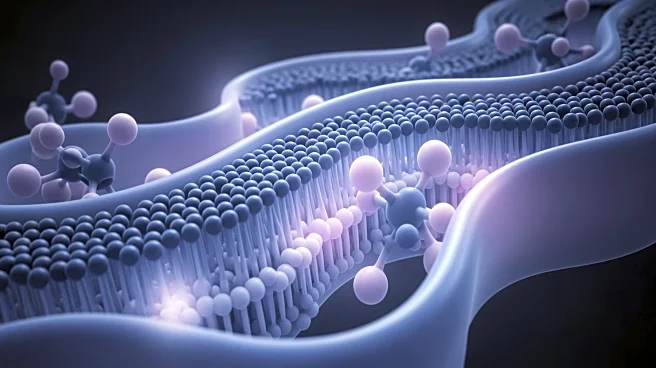
effect. Proteins are composed of amino acids with varying properties, including hydrophobic and hydrophilic side chains. During folding, hydrophobic side chains tend to collapse into the core of the protein, away from the aqueous environment. This hydrophobic collapse is a major driving force behind the folding process.
The hydrophobic effect is thermodynamically favorable, as it minimizes the number of hydrophobic side chains exposed to water. This reduction in exposure leads to a decrease in entropy, which is compensated by the formation of a stable, low-energy structure. The hydrophobic interactions within the protein core contribute significantly to the stability of the folded protein.
Hydrogen Bonds and Van der Waals Forces
In addition to hydrophobic interactions, hydrogen bonds play a crucial role in stabilizing protein structures. These bonds form between the backbone atoms of the polypeptide chain, contributing to the formation of secondary structures such as alpha helices and beta sheets. Hydrogen bonds provide stability and help maintain the protein's shape.
Van der Waals forces, including London dispersion forces, also contribute to protein stability. These weak interactions occur between all atoms and help stabilize the protein's tertiary structure. Although individually weak, the cumulative effect of van der Waals forces is significant in maintaining the protein's native state.
Coulomb Interactions and Folding Pathways
Coulomb interactions, or electrostatic forces, arise from the attraction between charged amino acid side chains. These interactions can stabilize specific folding pathways and contribute to the overall stability of the protein. The balance between attractive and repulsive forces helps guide the protein through its folding funnel, ensuring it reaches the lowest energy state.
The folding funnel model visualizes the protein's journey from an unfolded state to its native structure. Proteins navigate through various conformations, driven by the forces mentioned above, to reach the most stable configuration. Understanding these forces is crucial for comprehending how proteins fold and function.
Protein folding is a spontaneous process guided by a combination of hydrophobic interactions, hydrogen bonds, van der Waals forces, and Coulomb interactions. These forces work together to ensure that proteins achieve their native state, which is essential for their biological activity. By exploring these forces, we gain insight into the intricate process of protein folding and its significance in life.