



Janu Sirsasana, also known as the Head to Knee Pose, is a common seated forward bend in yoga. This pose is characterized by its unique combination of flexibility and strength, requiring practitioners to bend forward while keeping one leg extended and the other bent. This article delves into the details of how to perform Janu Sirsasana, its benefits, and its role in yoga practice.
Performing Janu Sirsasana
To begin Janu Sirsasana, one typically starts from a seated position,
such as Baddha Konasana, which is a type of cross-legged sitting posture. From there, both legs are extended forward. The practitioner then bends one leg, placing the foot against the inner thigh of the opposite leg. The extended leg remains straight, with the toes flexed back towards the body to engage the muscles.
As the practitioner inhales, they raise their arms overhead, lengthening the spine. On the exhale, they fold forward from the hips, reaching towards the foot of the extended leg. The hands are placed on either side of the leg, and the pose is held for several breaths. This forward bend not only stretches the hamstrings and back but also encourages a sense of calm and focus.
Benefits of Janu Sirsasana
Janu Sirsasana offers a range of physical and mental benefits. Physically, it stretches the spine, shoulders, hamstrings, and groin. The pose also helps to stimulate the liver and kidneys, improving digestion and detoxification. By engaging the core muscles, it strengthens the abdominal area and enhances overall stability.
Mentally, Janu Sirsasana is known for its calming effects. The forward bend encourages introspection and relaxation, making it an excellent pose for stress relief. Practitioners often find that it helps to quiet the mind and improve concentration, making it a valuable addition to any yoga routine.
The Role of Janu Sirsasana in Yoga Practice
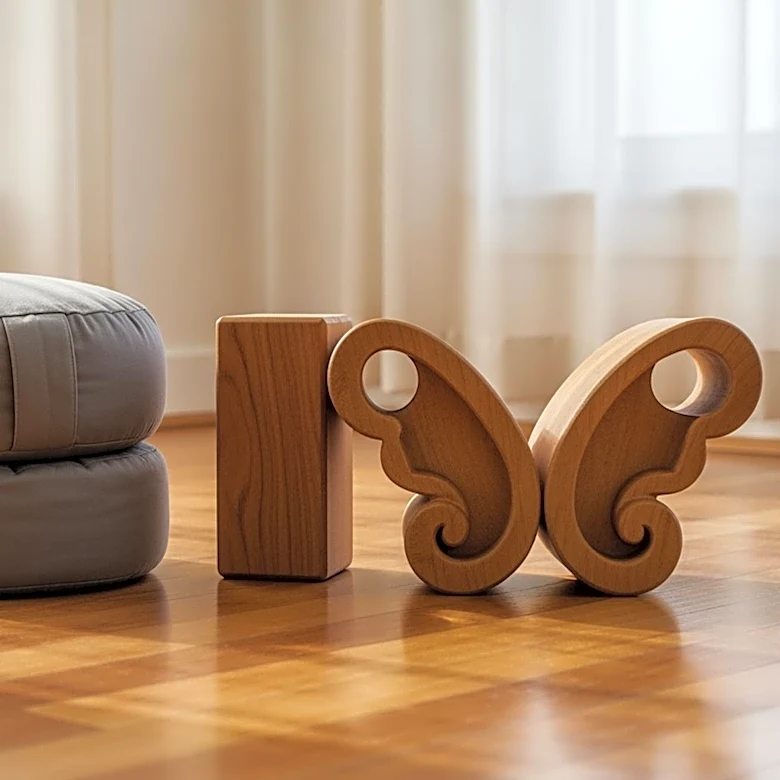
In the broader context of yoga practice, Janu Sirsasana is often included in sequences that focus on flexibility and relaxation. It is a versatile pose that can be adapted for practitioners of all levels, from beginners to advanced yogis. For beginners, using props such as a strap or a bolster can help to make the pose more accessible.
Advanced practitioners may explore deeper variations of the pose, such as reaching the head closer to the knee or holding the foot with both hands. Regardless of the level, Janu Sirsasana remains a staple in many yoga classes due to its comprehensive benefits and the sense of peace it brings to the practice.
In conclusion, Janu Sirsasana is more than just a physical exercise; it is a holistic practice that integrates body, mind, and breath. By incorporating this pose into their routine, practitioners can enjoy improved flexibility, strength, and mental clarity.