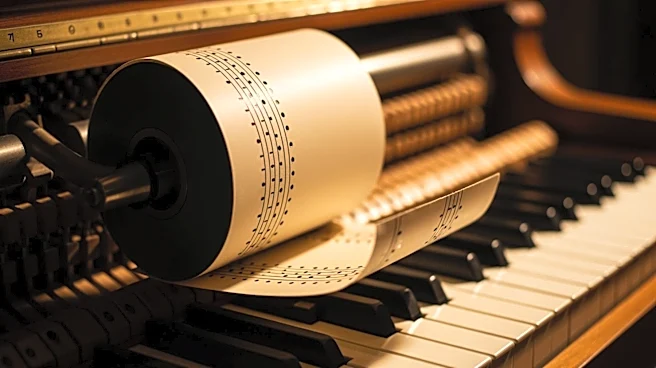






The invention of the Pianola by Edwin S. Votey in 1895 marked a significant turning point in the music industry. This self-playing mechanical piano allowed people to experience music in a new and innovative way, transforming both the production and consumption of music. The Pianola's impact extended beyond the realm of music, influencing cultural and social dynamics in the early 20th century. This article delves into the significance of the Pianola and its
lasting effects on society.
Revolutionizing Music Consumption
Before the advent of the Pianola, enjoying music at home required either a live performance or the ability to play an instrument. Votey's invention changed this dynamic by making music accessible to a wider audience. The Pianola used perforated paper rolls to play complete musical pieces, allowing anyone to enjoy a performance without needing to know how to play the piano.
The Aeolian Company, which began manufacturing the Pianola in 1898, marketed it as a revolutionary product that democratized music. It became a popular household item, enabling families to enjoy a wide range of music in the comfort of their homes. This shift in music consumption patterns contributed to the growing popularity of recorded music and set the stage for future technological advancements in the music industry.
Cultural and Social Impact
The Pianola's introduction had a profound cultural impact, as it allowed people to experience music in a new way. It brought classical and popular music into homes across the country, fostering a greater appreciation for different musical genres. The Pianola also played a role in the social lives of individuals, as it became a centerpiece for gatherings and entertainment.
Moreover, the Pianola influenced the music industry by creating a demand for new compositions and arrangements specifically designed for the instrument. This led to the production of a vast catalog of music rolls, which included classical, popular, and ragtime music. The Pianola's ability to reproduce complex musical performances also inspired composers and musicians to experiment with new styles and techniques.
Legacy of the Pianola
The Pianola's impact on music and society was far-reaching, and its legacy continues to be felt today. It paved the way for future innovations in music technology, such as the phonograph and radio, which further transformed the way people experienced music. The Pianola also contributed to the development of the player piano industry, which remained popular until the mid-20th century.
Edwin S. Votey's invention of the Pianola was a milestone in the history of music, and its influence can still be seen in modern music technology. The Pianola not only changed the way people consumed music but also enriched cultural and social experiences, leaving a lasting legacy that continues to inspire musicians and inventors alike.