




Pica, an eating disorder characterized by the consumption of non-food items, has been observed across various cultures and historical periods. While often considered a medical condition, pica also has cultural and historical significance that sheds light on its prevalence and acceptance in different societies.
Historical Perspectives on Pica
The condition known as pica has been recognized for centuries, with its first description attributed to the ancient Greek physician Hippocrates.
The term "pica" itself is derived from the Latin word for the magpie, a bird known for its indiscriminate eating habits. Throughout history, pica has been documented in various cultures, often linked to specific beliefs or practices.
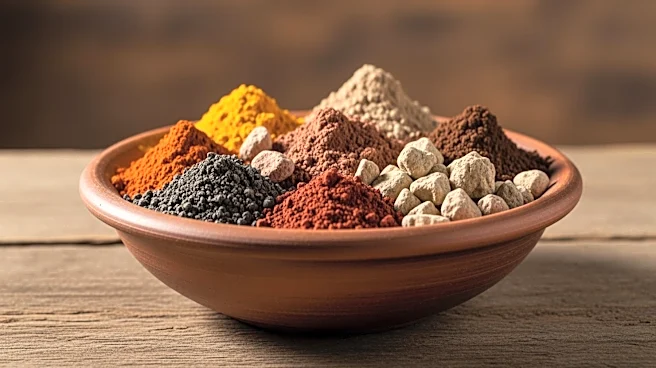
In the southern United States during the 1800s, geophagia, a form of pica involving the consumption of earth, was common among the slave population. This practice was believed to augment a mineral-deficient diet and was particularly prevalent among slaves from West Africa. The consumption of kaolin, a type of clay, was noted for its antidiarrheal properties and was later studied scientifically, leading to its use in pharmaceutical products.
Cultural Practices and Pica
In some cultures, pica is not viewed as a disorder but rather as a cultural practice. For example, the ingestion of kaolin among African American women in Georgia is considered a "culture-bound syndrome" and is not selectively associated with other psychopathologies. Similar practices are widespread in parts of Africa, where clay is consumed for its purported health benefits, such as absorbing plant toxins and protecting against toxic alkaloids.
Cultural beliefs and community practices often shape the prevalence of pica in certain regions. In North-Central Nigeria, for instance, pica among women is influenced by cultural norms rather than purely psychological or nutritional causes. These cultural perspectives highlight the complex interplay between societal norms and individual behaviors related to pica.
Modern Understanding and Implications
Today, pica is recognized as a mental disorder in the Diagnostic and Statistical Manual of Mental Disorders (DSM-5), but its cultural and historical roots continue to influence its perception and treatment. In some communities, pica is still practiced as part of traditional healing methods or religious ceremonies, reflecting its deep cultural significance.
Understanding the cultural and historical context of pica is essential for developing effective treatment strategies that respect cultural practices while addressing the health risks associated with the disorder. By acknowledging the diverse factors that contribute to pica, healthcare providers can offer more culturally sensitive and comprehensive care to individuals affected by this condition.