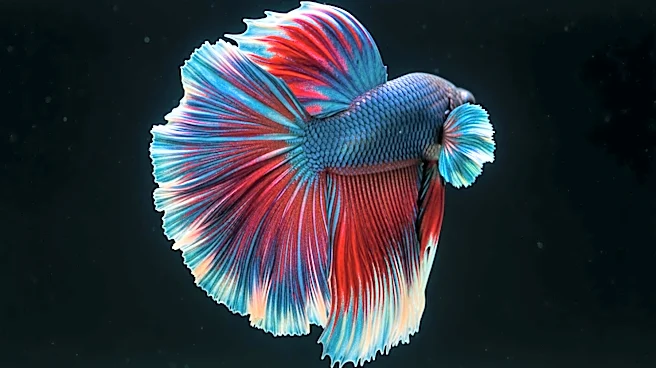







The Betta genus is a fascinating group of fish known for their vibrant colors and unique behaviors. While the Siamese fighting fish, or Betta splendens, is the most well-known species, the genus includes around 73 different species, each with its own distinct characteristics. These species vary in size, behavior, and habitat preferences, showcasing the diversity within the Betta genus.
Size and Appearance
Betta species are generally small, but they exhibit a wide range
of sizes. The smallest species, such as Betta chanoides, can be less than 2.5 cm in length, while others, like the Akar betta (Betta akarensis), can grow up to 14 cm. This size variation is accompanied by a diversity of colors and fin shapes, making Betta fish popular in the aquarium trade.
The Siamese fighting fish is particularly noted for its striking appearance, with long, flowing fins and a wide array of colors. However, other species within the genus also display unique and beautiful features. For example, the spotted betta (Betta picta) is known for the pale bars on the male's back, which are absent in other similar species. This diversity in appearance is one of the reasons Betta fish are so beloved by aquarists.
Breeding Behaviors
Betta fish exhibit two primary types of breeding behaviors: bubble nesting and mouthbrooding. Bubble nesters, such as Betta splendens, build floating nests of bubbles where they lay their eggs. The male guards the nest and tends to the eggs until they hatch. This behavior is common among many Betta species and is a fascinating aspect of their reproductive strategy.
In contrast, some Betta species are mouthbrooders, such as Betta picta. These fish carry their eggs in their mouths until they hatch, providing protection and ensuring the young are safe from predators. Mouthbrooding is thought to have evolved as an adaptation to fast-moving stream habitats, where bubble nests might be less effective. This diversity in breeding strategies highlights the adaptability and evolutionary success of the Betta genus.
Conservation and Threats
While many Betta species are common and thrive in the aquarium trade, some are threatened in the wild. Habitat destruction, pollution, and over-collection for the pet trade pose significant threats to certain species. The IUCN Red List classifies several Betta species as vulnerable, and some, like Betta livida, are endangered.
Conservation efforts are essential to protect these unique fish and their habitats. By understanding the diversity and needs of different Betta species, conservationists can work to preserve their natural environments and ensure their survival for future generations.