





Anatomy and physiology are closely intertwined disciplines that together provide a comprehensive understanding of the human body. While anatomy focuses on the structure of organisms, physiology examines their functions. This article delves into how anatomical knowledge contributes to our understanding of human physiology and bodily functions.
Anatomical Foundations of Physiology
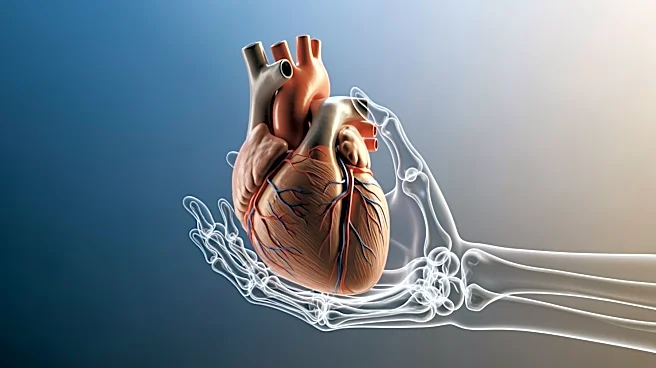
Anatomy provides the structural framework necessary for understanding physiological processes. By studying
the body's organs, tissues, and systems, anatomists lay the groundwork for physiologists to explore how these structures function. For example, the study of the heart's anatomy reveals its chambers, valves, and blood vessels, which are essential for understanding the mechanics of blood circulation.
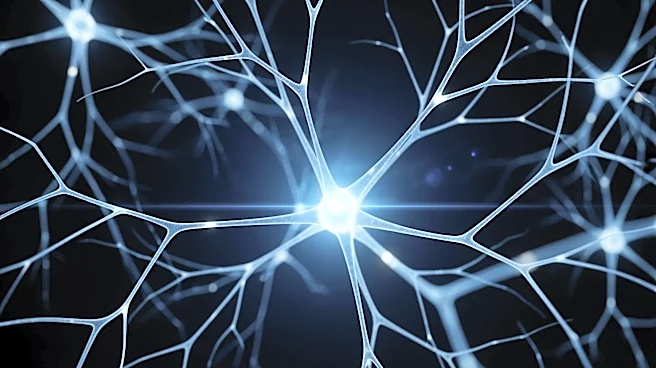
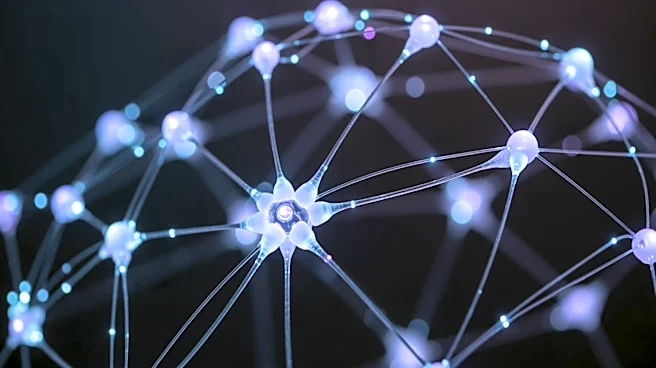
The relationship between anatomy and physiology is evident in the study of the nervous system. Anatomical knowledge of the brain and spinal cord allows physiologists to investigate neural pathways and their role in transmitting signals throughout the body. This understanding is crucial for exploring sensory and motor functions, as well as cognitive processes.
Interplay Between Structure and Function
The interplay between anatomical structures and physiological functions is a key aspect of medical science. Anatomical features often dictate how bodily functions are carried out. For instance, the structure of the lungs, with their alveoli and capillaries, facilitates gas exchange, a vital physiological process.
Similarly, the musculoskeletal system's anatomy influences movement and support. The arrangement of bones, muscles, and joints determines the body's range of motion and ability to perform physical activities. Understanding these anatomical details is essential for physiologists studying biomechanics and motor control.
Advancements in Anatomical and Physiological Research
Recent advancements in anatomical research have enhanced our understanding of physiology. Imaging techniques such as MRI and CT scans provide detailed views of anatomical structures, allowing researchers to study their functions in real-time. These technologies have led to breakthroughs in areas like cardiovascular physiology and neurophysiology.
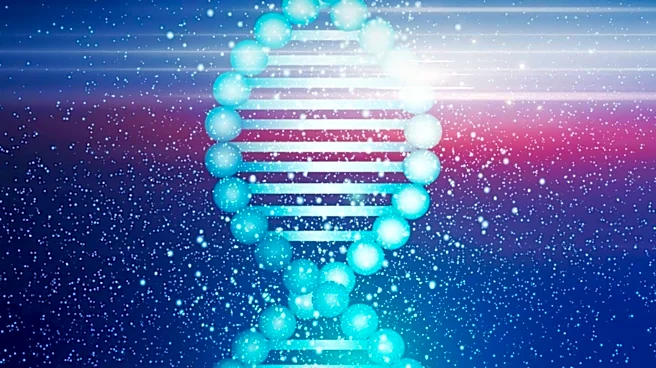
The integration of molecular biology with anatomical studies has opened new avenues for exploring physiological processes. By examining the genetic and cellular basis of anatomical features, researchers can gain insights into how these structures contribute to bodily functions. This interdisciplinary approach is paving the way for personalized medicine and targeted therapies.
Anatomy and physiology are inseparable fields that together offer a holistic view of the human body. As research continues to advance, our understanding of the intricate relationship between structure and function will deepen, leading to improved healthcare and medical practices.