



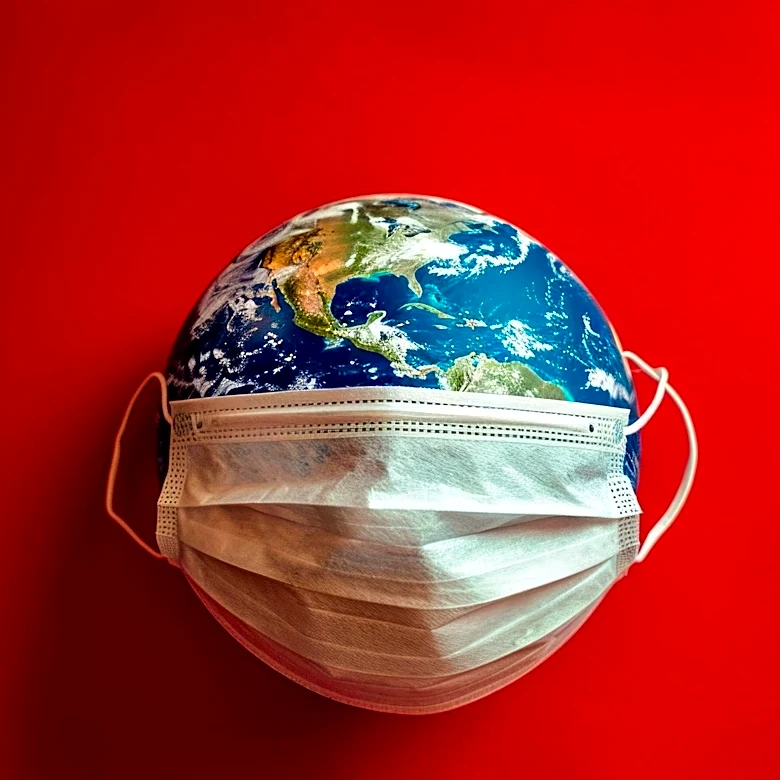




The 2009 swine flu pandemic, caused by the H1N1 virus, affected countries worldwide, but its impact and the response varied significantly across different regions. This article explores the regional differences in how the pandemic unfolded, focusing on the Americas, Europe, and Asia. By examining these variations, we can gain insights into the challenges and successes of different public health strategies.
The Americas: Early Outbreak and Rapid Spread
The 2009 swine flu pandemic was first identified
in the Americas, with the earliest cases reported in the United States and Mexico. The virus spread rapidly across the continent, prompting swift action from health authorities. In the United States, the Centers for Disease Control and Prevention (CDC) activated its Emergency Operations Center and declared a public health emergency in April 2009.
Mexico, where the outbreak was initially severe, implemented strict public health measures, including school closures and travel restrictions. The country's response was crucial in slowing the spread of the virus, although it faced challenges in managing the high number of cases. The pandemic highlighted the need for robust healthcare infrastructure and effective communication strategies to address public concerns.
Europe: Coordinated Response and Vaccination Efforts
In Europe, the response to the 2009 swine flu pandemic was characterized by coordination among countries and health organizations. The European Centre for Disease Prevention and Control (ECDC) played a key role in monitoring the spread of the virus and providing guidance to member states. Countries implemented various public health measures, including vaccination campaigns and travel advisories.
The pandemic prompted European countries to strengthen their public health systems and improve collaboration. The experience underscored the importance of having a coordinated response to health emergencies, with countries sharing information and resources to combat the virus effectively. The pandemic also highlighted the need for timely access to vaccines and antiviral medications.
Asia: Diverse Challenges and Responses
In Asia, the impact of the 2009 swine flu pandemic varied widely across countries. Some countries, like Japan and South Korea, implemented rigorous screening and quarantine measures to prevent the spread of the virus. These measures were effective in controlling the outbreak, although they required significant resources and coordination.
Other countries faced challenges due to limited healthcare infrastructure and resources. The pandemic highlighted the need for investment in public health systems and the importance of international cooperation in addressing health threats. The experience also emphasized the role of cultural and social factors in shaping public health responses.
In conclusion, the 2009 swine flu pandemic had a varied impact across different regions, with each facing unique challenges and implementing distinct strategies. By examining these regional differences, we can better understand the complexities of managing a global health crisis and the importance of tailored public health responses.