






Acrylic fiber has become a staple in the fashion industry, known for its versatility and affordability. Used in a variety of garments, from sweaters to faux fur, acrylic fiber offers a synthetic alternative to natural fibers. However, it also faces challenges, such as environmental concerns and perceptions of quality. This article explores the role of acrylic fiber in fashion, highlighting its versatility and the challenges it encounters.
Versatility in Fashion Applications
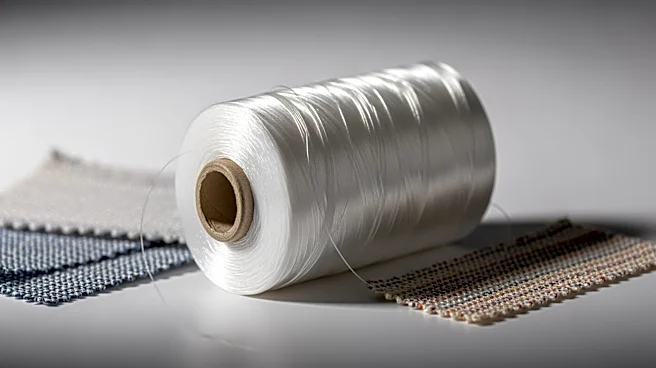
Acrylic fiber
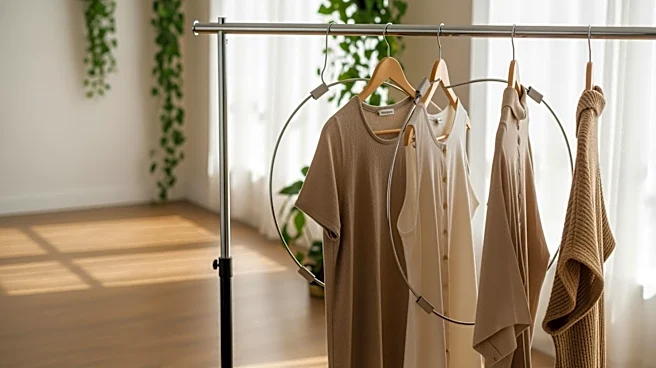
is lightweight, soft, and warm, making it suitable for a wide range of fashion applications. It can mimic the feel of wool, providing a less expensive alternative to cashmere. Acrylic fiber is used in clothing items like socks, hats, gloves, scarves, and sweaters, offering consumers affordable options without sacrificing warmth.
The fiber's ability to take color well and its machine-washability make it ideal for garments that require frequent cleaning, such as baby clothes. Acrylic fiber's hypoallergenic nature adds to its appeal, especially for individuals with sensitivities to natural fibers. Despite its tendency to fuzz or pill, acrylic fiber remains popular due to its durability and color-fastness.
Challenges in Perception and Environmental Impact
While acrylic fiber is versatile, it faces challenges in terms of perception and environmental impact. Some consumers perceive acrylic yarn as "cheap" due to its lower price compared to natural fibers. Additionally, the fiber lacks some properties of natural fibers, such as softness and the ability to felt, which can affect its appeal to certain markets.
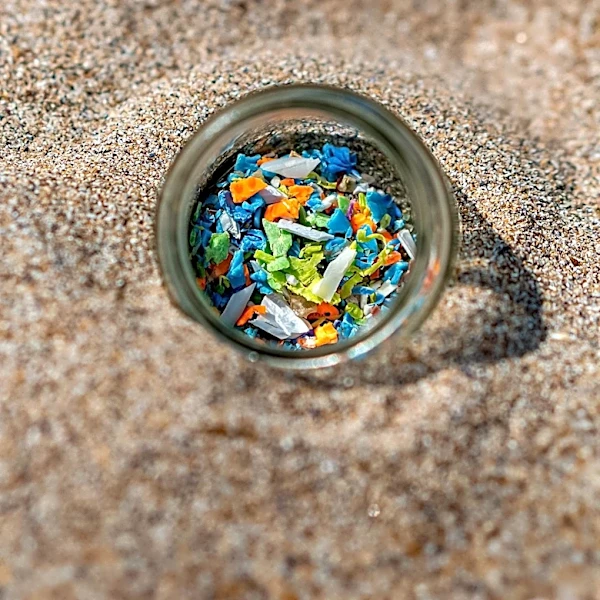
Environmental concerns also pose challenges for acrylic fiber. Research has shown that acrylic fibers release microplastics during washing, contributing to pollution. This has led to increased scrutiny and calls for more sustainable practices in the production and use of synthetic fibers. Despite these challenges, acrylic fiber continues to be a valuable material in the fashion industry.
Innovations and Future Prospects
The fashion industry is constantly evolving, and acrylic fiber is no exception. Innovations in production processes and fiber characteristics aim to address environmental concerns and improve the quality of acrylic fiber. Low-pilling variants and advancements in dyeing techniques enhance the fiber's appeal, making it more competitive with natural fibers.
As the industry moves towards sustainability, acrylic fiber producers are exploring ways to reduce environmental impact and improve recycling processes. The future of acrylic fiber in fashion will likely involve a balance between affordability, versatility, and environmental responsibility, ensuring its continued relevance in the market.