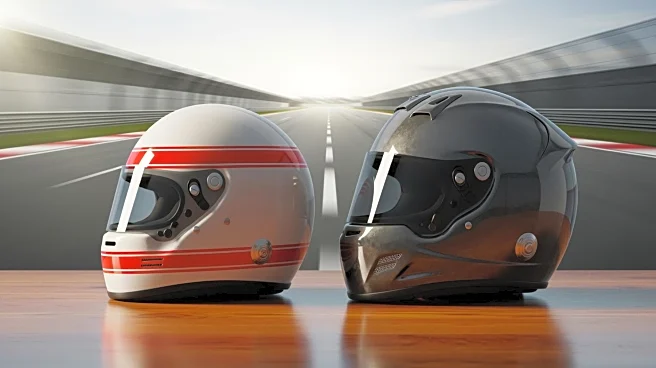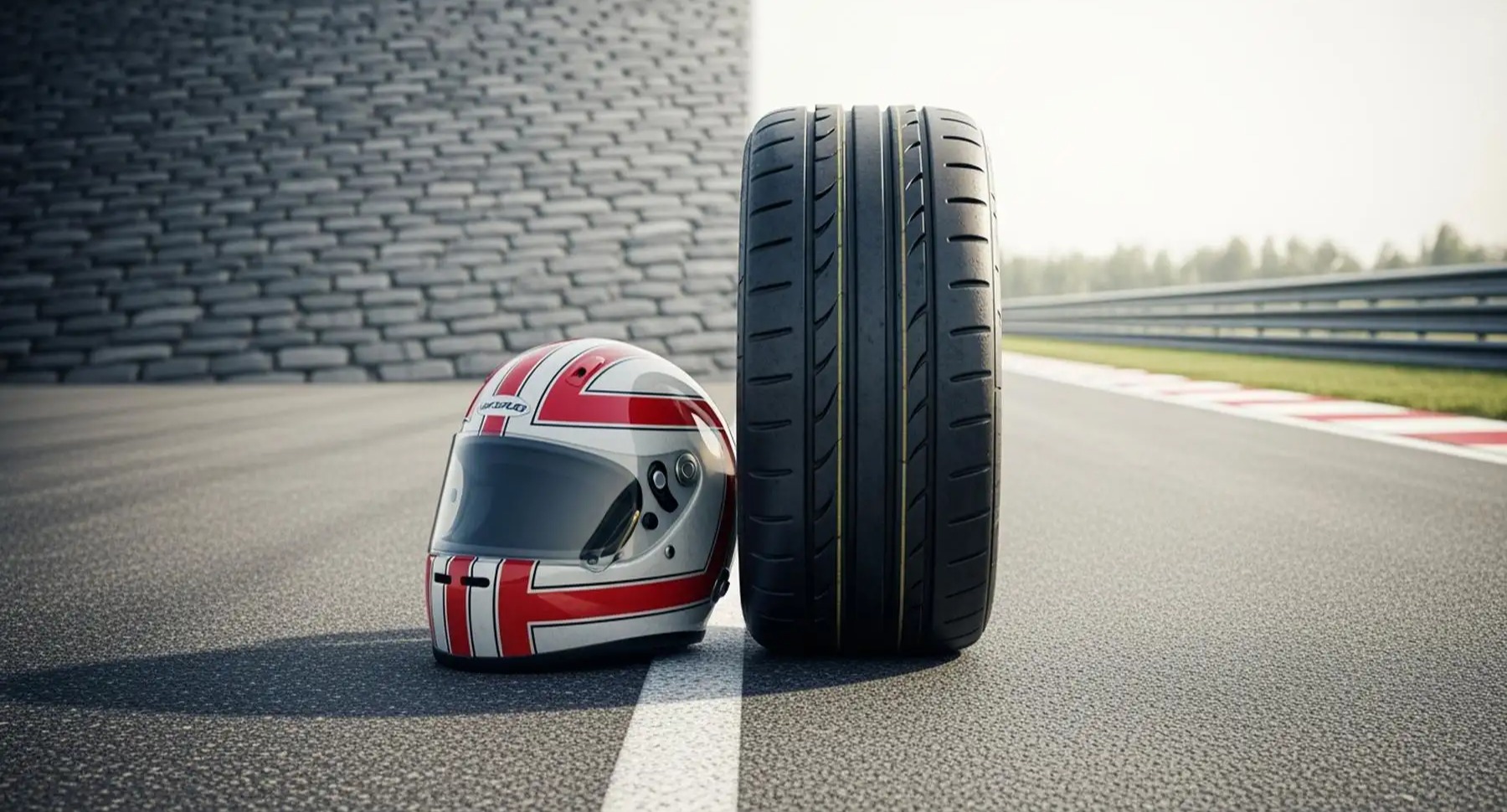



Road racing, a thrilling form of motorsport, has a rich history that traces back to the early 20th century. Initially, these races were held on public roads, but over time, the sport evolved to take place on closed circuits. This transition was driven by the need for increased safety and the desire to create more controlled racing environments. Today, road racing is a global phenomenon, with events held on purpose-built tracks and temporarily closed public roads.
Early Days of Road Racing
In the early 1900s, road racing was primarily conducted on public roads. These races were often lengthy circuits that spanned miles of open roads, such as the 93-mile Targa Florio in Sicily and the 75-mile Kaiserpreis circuit in Germany. The French Grand Prix, first held in 1906, was one of the earliest organized road races, taking place on a circuit near Le Mans. These events were not only a test of speed but also of endurance, as drivers navigated challenging terrains and unpredictable conditions.
The use of public roads for racing posed significant safety risks, both for drivers and spectators. Accidents were common, and the lack of safety measures often resulted in injuries and fatalities. Despite these dangers, road racing continued to grow in popularity, attracting large crowds and international competitors.
Transition to Closed Circuits
As the sport gained traction, the need for safer racing environments became apparent. The construction of dedicated racing circuits began in the early 20th century, with Brooklands in England being one of the first. Completed in 1906, Brooklands featured a steeply banked, egg-shaped track that provided a controlled setting for races.
The shift towards closed circuits accelerated after World War II, as technological advancements allowed for faster and more powerful vehicles. The increased speeds heightened the risks associated with racing on public roads, prompting organizers to seek safer alternatives. Purpose-built tracks offered better safety features, such as barriers and run-off areas, reducing the likelihood of accidents.
Modern Road Racing
Today, road racing is a well-regulated sport, with events held on both permanent circuits and temporarily closed public roads. The Formula One World Championship, established in 1950, is one of the most prestigious road racing series, featuring races on tracks around the world. Similarly, the MotoGP series showcases the best in motorcycle road racing.
While the majority of road races now take place on closed circuits, some events, like the Isle of Man TT, continue to be held on public roads. These races maintain the spirit of early road racing, offering unique challenges and a nod to the sport's origins. The evolution of road racing reflects a balance between preserving tradition and ensuring safety, allowing the sport to thrive in the modern era.