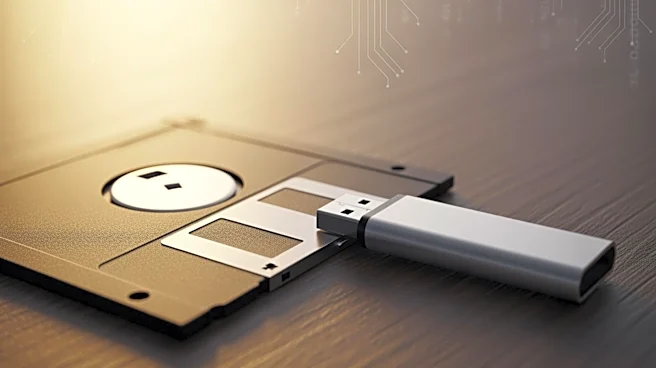






DOS operating systems have been foundational in the development of personal computing, offering a robust and adaptable platform for IBM PC compatibles. This article explores the technical architecture and design principles of DOS systems, highlighting their modular structure and the innovations that have shaped their evolution.
Modular Design and Device Drivers
One of the defining features of DOS systems is their modular design, which separates system-specific device driver code from
the DOS kernel. This architecture allows for customization and adaptation to different hardware configurations, making DOS systems highly versatile.
The separation of device driver code and the DOS kernel is achieved through files like IO.SYS and MSDOS.SYS in MS-DOS, and IBMBIO.COM and IBMDOS.COM in IBM PC DOS. These files contain the necessary code to interface with hardware, while the kernel provides core operating system functions. This modularity enables original equipment manufacturers (OEMs) to tailor DOS systems to their specific hardware, contributing to the widespread adoption of IBM PC compatibles.
File System and Memory Management
DOS systems utilize the File Allocation Table (FAT) filesystem, which supports 8.3 filenames and hierarchical directories. The FAT filesystem has evolved over time, with versions like FAT12, FAT16, and FAT32 offering increased storage capacity and efficiency.
Memory management in DOS is designed to accommodate the limitations of early processors, such as the Intel 8088. DOS systems initially supported up to 640 KB of conventional memory, with specifications like Expanded Memory Specification (EMS) and Extended Memory Specification (XMS) allowing access to additional memory. These specifications enabled DOS systems to overcome hardware limitations and support more complex applications.
Boot Sequence and System Initialization
The boot sequence of DOS systems is a critical aspect of their architecture. The bootstrap loader, located in the master boot record, initiates the loading of system files like IO.SYS and MSDOS.SYS. These files contain the system initialization code, which loads built-in device drivers and the DOS kernel into memory.
The CONFIG.SYS file is then read to parse configuration parameters, followed by the execution of the startup batch file AUTOEXEC.BAT. This sequence ensures that DOS systems are properly configured and ready for use, with the shell defaulting to COMMAND.COM.
In conclusion, the technical architecture of DOS systems is characterized by modularity, efficient memory management, and a structured boot sequence. These design principles have contributed to the success and longevity of DOS operating systems, influencing the development of modern computing platforms.