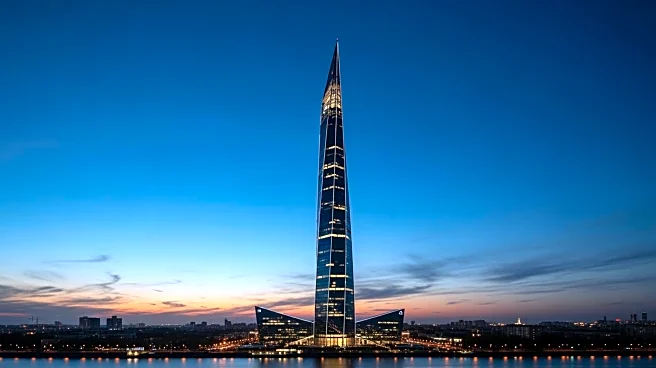




The Willis Tower, formerly known as the Sears Tower, is more than just a skyscraper; it is a cultural icon and a symbol of Chicago's architectural heritage. Standing tall in the heart of the city, the tower has become synonymous with Chicago's skyline and represents the city's spirit of innovation and resilience.
Cultural Significance
Since its completion in 1973, the Willis Tower has been a defining feature of Chicago's skyline. Its towering presence and unique design
have made it a symbol of the city's architectural prowess and a testament to its history of innovation. The tower's influence extends beyond its physical structure, as it has become a cultural landmark and a source of pride for Chicagoans.
The Willis Tower's Skydeck, located on the 103rd floor, is one of the most popular tourist attractions in the city. Visitors from around the world flock to the Skydeck to experience the breathtaking views of Chicago and beyond. The glass-bottomed ledges, known as The Ledge, offer a thrilling experience, allowing visitors to step out and look down at the city below. This unique feature has become an iconic part of the tower's identity and a must-see for anyone visiting Chicago.
Symbol of Resilience
The Willis Tower has also come to symbolize Chicago's resilience and ability to adapt to changing times. Over the years, the tower has undergone several renovations and changes in ownership, each time emerging stronger and more relevant. The building's transformation from the Sears Tower to the Willis Tower reflects the city's ability to embrace change while preserving its rich history.
In the wake of the September 11 attacks, the Willis Tower, like many other skyscrapers, faced increased scrutiny and security concerns. However, the tower has continued to stand tall, serving as a reminder of the city's strength and determination. Its enduring presence on the skyline is a testament to Chicago's ability to overcome challenges and continue to thrive.
A Lasting Legacy
The Willis Tower's impact on Chicago's cultural landscape is undeniable. It has been featured in numerous films, television shows, and other media, further cementing its status as a cultural icon. The tower's distinctive design and prominent location make it a favorite subject for photographers and artists, capturing the essence of Chicago's skyline.
As the third tallest building in the Western Hemisphere, the Willis Tower continues to inspire awe and admiration. Its legacy as a symbol of Chicago's architectural and cultural heritage is secure, ensuring that it will remain an integral part of the city's identity for generations to come.