






Sri Lankan cuisine is a vibrant blend of flavors and traditions, shaped by the island's rich history and diverse cultural influences. Known for its unique combinations of herbs, spices, fish, vegetables, and fruits, Sri Lankan food is a testament to the country's position as a historical hub on the oceanic silk road. This article delves into the various influences and ingredients that make Sri Lankan cuisine a culinary delight.
Influences from Around the World
Sri Lanka's strategic
location on the ancient maritime silk road brought it into contact with traders from various parts of the world. This interaction introduced new food items and cultural influences that have been integrated into the local cuisine. Indian, particularly South Indian, Indonesian, and Dutch cuisines have left a significant mark on Sri Lankan food. These influences are evident in the use of spices and cooking techniques that are shared with neighboring South and Southeast Asian cuisines.
The Dutch Burgher community, for instance, has contributed dishes like lamprais, a rice dish cooked in stock and baked in a banana leaf. Similarly, the Malay community has introduced dishes such as watalappam, a rich pudding made with coconut milk, jaggery, and spices. These diverse influences have enriched Sri Lankan cuisine, making it a unique fusion of flavors.
Unique Ingredients and Spice Blends
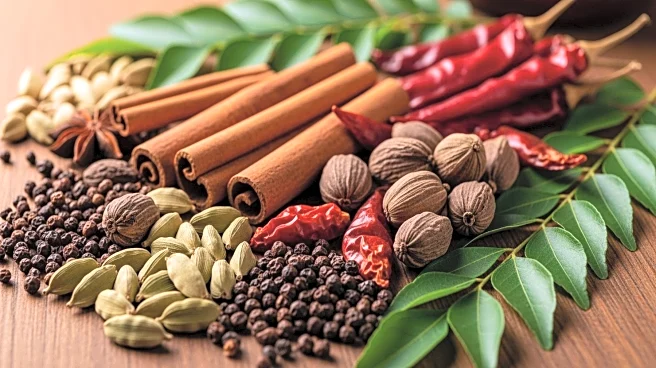
Sri Lankan cuisine is characterized by its distinctive spice blends, which include the heavy use of Sri Lankan cinnamon and black pepper. The island is historically famous for its cinnamon, known as 'true cinnamon,' which has a more delicate and sweet taste compared to the more common Cinnamomum cassia. Other unique ingredients include Maldives fish, goraka (Garcinia cambogia), pandan leaf, lemongrass, and jaggery made from kithul palm syrup.
Coconut is another ubiquitous ingredient in Sri Lankan cooking, used in various forms such as coconut milk and grated coconut. These ingredients are freshly prepared almost every day in most households, adding a rich and creamy texture to many dishes. The use of these unique ingredients sets Sri Lankan cuisine apart from its regional counterparts.
The Role of Rice and Seafood
Rice is a staple in Sri Lankan cuisine, with many varieties being consumed across the island. Red rice, in particular, is considered an heirloom variety and is a common feature in many traditional dishes. Rice is often served with a curry of fish or meat, along with other curries made with vegetables, lentils, or fruits.
Seafood also plays a significant role in Sri Lankan cuisine, given the island's extensive coastline. Fresh fish, mackerel, tuna, and shark are commonly used in various dishes. The use of seafood is not limited to fresh fish; preserved fish such as Maldives fish is also a key ingredient, adding an umami flavor to vegetable dishes.
In conclusion, Sri Lankan cuisine is a rich tapestry of flavors and traditions, shaped by the island's history and cultural exchanges. Its unique ingredients and spice blends, combined with influences from around the world, make it a culinary experience like no other.