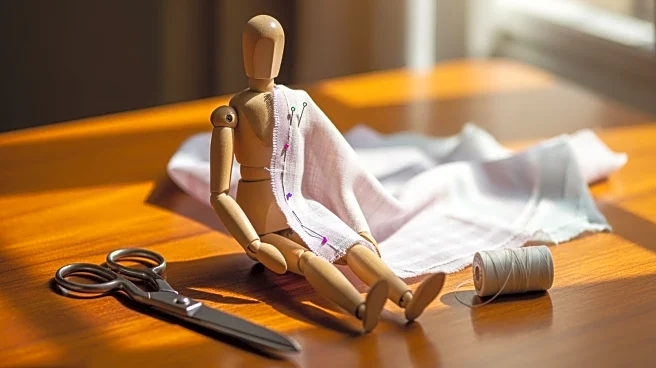




Tailoring, the art of making or altering clothing, particularly men's suits, has a rich history that dates back to ancient times. The profession has evolved significantly over the centuries, influenced by cultural shifts, technological advancements, and changing fashion trends. This article explores the historical development of tailoring, from its origins in ancient Greece and Rome to its modern-day practices.
Ancient Beginnings and Guild Formation
Tailoring as a profession can be traced
back to ancient Greece and Rome, where tailor shops and tools like irons and shears were already in use. The craft became more formalized in Europe during the High Middle Ages with the establishment of guilds. These guilds played a crucial role in regulating the profession, instituting a system of masters, journeymen, and apprentices. Members of the guilds established rules to limit competition and ensure quality standards, with statutes like those in Bologna requiring tailors to join the guild.
In England, the Statute of Artificers passed in 1563 included tailoring as a trade that required a term of apprenticeship, typically lasting seven years. This system ensured that tailors were well-trained and maintained high standards in their work. The guilds were instrumental in shaping the profession, providing a structured path for aspiring tailors to learn and master their craft.
The Rise of Tailoring Shops and Cultural Perceptions
By the 18th century, tailoring began to shift towards large-scale and specialized production. Tailor shops became more common, with a typical shop consisting of a master, a foreman, several journeymen, and apprentices. Apprentices performed menial tasks and learned the craft by observing and assisting more experienced tailors. Tailors were often stereotyped as weak and effeminate, partly due to the perception of sewing as a woman's activity.
Despite these stereotypes, tailoring was a respected profession, with tailors often portrayed in literature and comics. The saying "Nine tailors make a man" reflected the cultural significance of the profession. Tailors were known for their skill in creating well-fitted garments, and their work was highly valued by those who could afford custom clothing.
Modern Tailoring and Technological Advances
The 19th century saw significant changes in tailoring with the advent of modern machines. Despite technological advancements, nearly 75 percent of a custom-tailored suit's stitching is still done by hand, highlighting the continued importance of traditional techniques. Tailoring has adapted to modern fashion trends, with bespoke tailoring offering personalized garments made to individual specifications.
Today, tailoring remains a vital part of the fashion industry, with tailors continuing to create high-quality, custom garments. The profession has evolved from its ancient roots, adapting to cultural changes and technological innovations while maintaining its commitment to craftsmanship and quality.