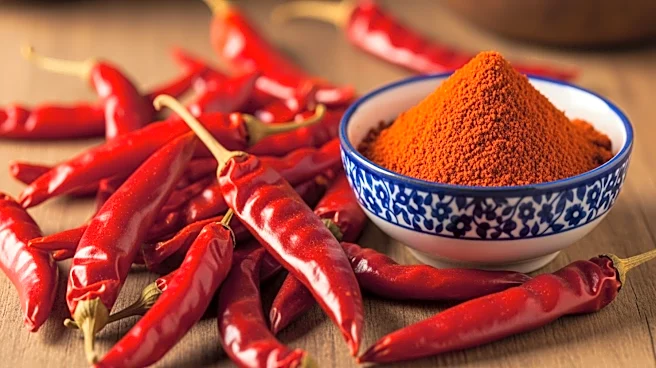





Chili powder, a staple in many cuisines around the world, has a rich history that traces back to the late 19th century. This spice blend, primarily made from dried and ground chili peppers, has become a key ingredient in dishes ranging from Tex-Mex to Indian cuisine. The journey of chili powder from its origins to its widespread use today is a fascinating tale of culinary innovation and cultural exchange.
Early Beginnings
The concept of using ground chili peppers as
a spice can be traced back to the indigenous peoples of the Americas, where chili peppers were a native crop. However, it wasn't until the late 19th century that chili powder as we know it began to take shape. In 1894, William Gebhardt, a German immigrant in Texas, played a pivotal role in the commercial production of chili powder. Gebhardt, who owned a saloon in New Braunfels, Texas, noticed the seasonal availability of chili peppers and sought a way to preserve their flavor year-round.
To achieve this, Gebhardt imported ancho peppers from Mexico and ground them into a fine powder using a small meat grinder. This innovation allowed him to create a consistent and flavorful spice that could be used in cooking throughout the year. His creation quickly gained popularity, especially in the preparation of chili con carne, a dish that became synonymous with Texan cuisine.
Commercialization and Popularity
The commercial success of Gebhardt's chili powder paved the way for other entrepreneurs to enter the market. D.C. Pendery, another early pioneer, also began producing chili powder blends, further popularizing the spice. These early blends typically included not only ground chili peppers but also other spices like cumin, garlic, and onion powder, creating a versatile seasoning mix that could enhance a variety of dishes.
By the early 20th century, chili powder had become a staple in American kitchens, particularly in the southwestern United States. Its popularity was further boosted by the rise of chili parlors, which served chili con carne and other dishes featuring the spice. The availability of commercial chili powder made it easier for home cooks to replicate these flavors, contributing to its widespread adoption.
Global Influence
Today, chili powder is used in cuisines around the world, from the spicy curries of India to the fiery dishes of Thailand. Each region has developed its own variations, using different types of chili peppers and additional spices to create unique flavor profiles. In Korea, for example, gochugaru is a type of chili powder made from sun-dried Korean red chili peppers, known for its vibrant color and complex taste.
The evolution of chili powder from a local innovation to a global culinary staple highlights the dynamic nature of food culture. As it continues to adapt and evolve, chili powder remains a testament to the enduring appeal of bold and spicy flavors.