





Origanum libanoticum, also known as Lebanese oregano or hopflower oregano, is a plant that captivates gardeners and plant enthusiasts with its unique aesthetic qualities. Native to the mountainous regions of Lebanon and Syria, this species is part of the mint family, Lamiaceae. It is particularly prized for its ornamental value, thanks to its striking foliage and distinctive flowering bracts. This article explores the ornamental appeal of Origanum libanoticum and its uses
in garden design.
Aesthetic Features
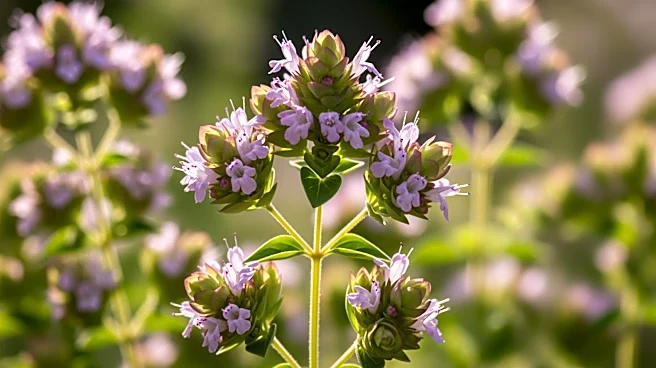
The ornamental charm of Origanum libanoticum lies in its distinctive appearance. The plant grows to a modest height of 20 to 30 centimeters, with a spread of 30 to 45 centimeters. Its wiry stems are adorned with overlapping pink to pale green bracts that droop gracefully, resembling hops. These bracts are not only visually appealing but also serve as a backdrop for the small rose-pink flowers that bloom from July to September.
The leaves of Origanum libanoticum are ovate and obtuse, with a subtle fragrance. Although not as aromatic as other oregano species, the leaves contribute to the plant's overall texture and visual interest. By the end of the flowering season, the flowers dry out and turn papery and brown, adding a different kind of beauty to the plant's appearance.
Uses in Garden Design
Origanum libanoticum is primarily cultivated for its ornamental qualities. It is a popular choice for gardeners looking to add unique texture and color to their landscapes. The plant's bracts are often used in dried floral arrangements, where they provide a lasting and attractive element.
In garden design, Origanum libanoticum can be used as a ground cover or as part of a mixed border. Its compact size and drought tolerance make it suitable for rock gardens and xeriscaping. The plant thrives in well-drained soil and full sun, making it an excellent choice for sunny garden spots.
Care and Maintenance
To maintain the ornamental appeal of Origanum libanoticum, proper care and maintenance are essential. The plant requires well-drained soil and regular watering during its first growing season to establish a strong root system. It is important to site the plant in a location that offers protection from harsh winter conditions and to apply a winter mulch to enhance its cold hardiness.
Pruning is another important aspect of maintaining the plant's appearance. Snipping off the spent dried flowers at the end of winter not only improves the plant's cold hardiness but also encourages new growth. While Origanum libanoticum is generally hardy, it can be susceptible to root rot in poorly drained soils and may be affected by pests such as spider mites and aphids.
In recognition of its ornamental value, Origanum libanoticum received the "Plant Select" award in 2004, highlighting its appeal and resilience in garden settings.