
The creaming method is a fundamental technique in cake baking, particularly for butter cakes. This method involves beating butter and sugar together until the mixture becomes light and fluffy, incorporating
air into the batter. The creaming method is essential for achieving the rich, moist texture that characterizes butter cakes. This article explores the intricacies of the creaming method and its significance in the world of cake baking.
Understanding the Creaming Method
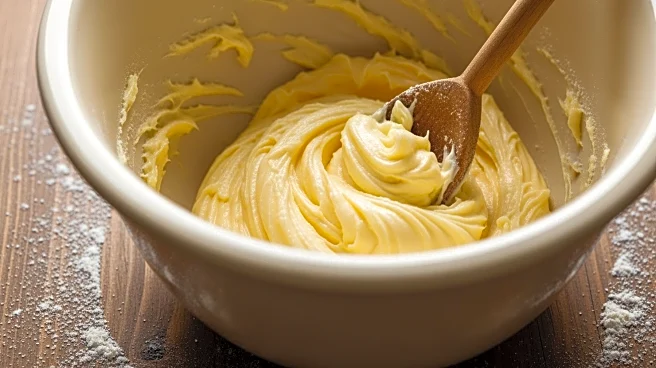
The creaming method begins with the careful beating of butter and sugar. This process is crucial as it introduces air into the mixture, which helps the cake rise during baking. The butter must be at the right temperature—softened but not melted—to ensure it can trap air effectively. As the sugar is gradually added, it helps to break down the butter, creating a smooth, fluffy mixture.
Once the butter and sugar are creamed, eggs are added one at a time. This step is vital for creating an emulsion, which helps to stabilize the batter. The eggs should be at room temperature to prevent the batter from curdling. After the eggs are incorporated, the dry and wet ingredients are added alternately, ensuring a smooth, even batter.
The Role of the Creaming Method in Butter Cakes
Butter cakes are a classic example of the creaming method in action. These cakes rely on the combination of butter, sugar, eggs, and flour to create a rich, moist texture. The creaming method is particularly important for butter cakes because it provides the necessary structure and aeration.
The creaming method also allows for variations in flavor and texture. By adjusting the ratio of ingredients or incorporating additional elements like vanilla extract or cocoa powder, bakers can create a wide range of butter cakes. This versatility makes the creaming method a favorite among home bakers and professional pastry chefs alike.
Modern Applications and Variations
While the creaming method remains a staple in traditional cake baking, modern technology has made the process more accessible. Electric mixers have replaced manual labor, allowing bakers to achieve the desired consistency with ease. This advancement has made the creaming method more approachable for home bakers, enabling them to create professional-quality cakes in their own kitchens.
Despite these technological advancements, the fundamental principles of the creaming method remain unchanged. The technique continues to be a cornerstone of cake baking, providing the foundation for countless variations and innovations. Whether baking a classic pound cake or experimenting with new flavors, the creaming method remains an essential tool in the baker's repertoire.