





Butter is a staple in many kitchens, known for its rich flavor and versatility. But how is this beloved dairy product made, and what variations exist in its production? This article delves into the process of butter production, from the churning of cream to the creation of different types of butter, offering a glimpse into the art and science behind this everyday ingredient.
The Churning Process
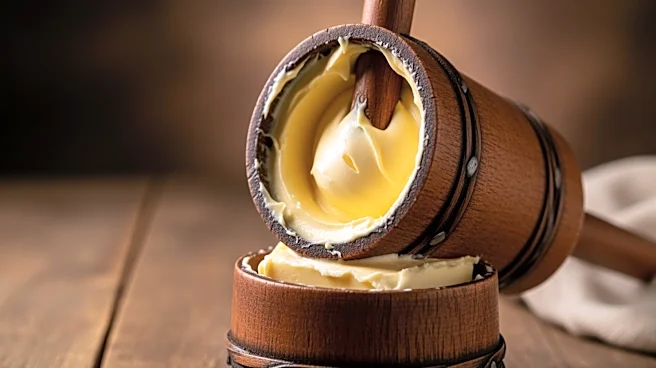
Butter is primarily made by churning cream, a process that separates the fat
from the buttermilk. This can be done with fresh or fermented cream, and the method has been used for centuries. During churning, the fat globules in the cream are agitated, causing them to clump together and form butter. The remaining liquid, known as buttermilk, is drained off, leaving behind the solid butter.
The consistency of butter can vary depending on the production method. Butter contains fat in three forms: free butterfat, butterfat crystals, and undamaged fat globules. The proportions of these forms affect the texture of the final product. For instance, butter with more crystals tends to be harder, while butter with more free fats is softer.
Types of Butter
There are several types of butter, each with unique characteristics. Sweet cream butter is made from fresh cream and is common in the United States and the United Kingdom. This type of butter is known for its mild flavor and is often used in baking and cooking.
Cultured butter, on the other hand, is made from fermented cream. This process allows bacteria to convert milk sugars into lactic acid, giving the butter a tangy flavor. Cultured butter is popular in Europe and is sometimes labeled as "European-style" butter in the U.S. It is often preferred for its richer taste and higher butterfat content.
Clarified Butter and Ghee
Clarified butter is another variation, made by removing the water and milk solids from regular butter. This leaves behind almost pure butterfat, which has a higher smoke point and is ideal for frying. Ghee, a type of clarified butter, is heated further to develop a nutty flavor and is commonly used in Indian cuisine.
The process of making clarified butter involves melting the butter and allowing it to cool. The whey proteins form a skin on top, which is removed, and the butterfat is poured off, leaving the water and casein proteins behind. Ghee is made by heating the butterfat until the milk solids brown, adding flavor and antioxidants that help preserve it.
Butter production is a fascinating blend of tradition and science, resulting in a variety of products that cater to different tastes and culinary needs. Whether it's the tangy cultured butter or the versatile clarified butter, each type offers its own unique qualities to enhance our meals.