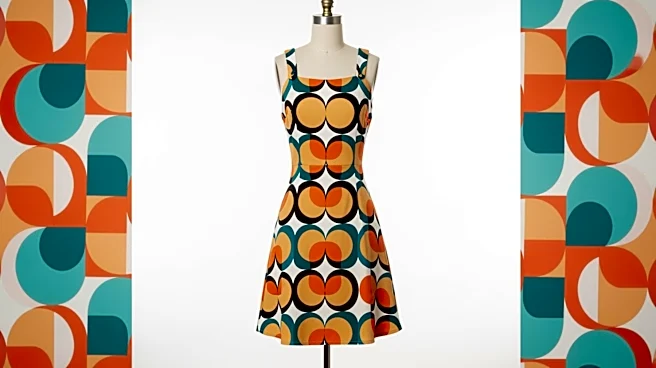








The mini dress, a fashion staple of the 1960s, became a symbol of youth culture and social change. Its daring design challenged traditional norms and reflected the era's emphasis on individuality and rebellion. This article explores the mini dress's role in the social movements of the 1960s and its lasting impact.
Youth Culture and Rebellion
The 1960s were marked by significant social change, with young people leading the charge for freedom and self-expression. The mini dress,
popularized by designer Mary Quant, embodied this spirit of rebellion. Its short hemline challenged societal norms and sparked debates about femininity and modesty.
The mini dress became a symbol of the youth movement, which sought to break free from the constraints of the past. It was worn by icons like Twiggy, who helped popularize the style internationally. The dress's association with youthful rebellion made it a powerful statement, reflecting the era's emphasis on individuality and creativity.
Social Movements and Cultural Shifts
The mini dress played a role in the broader cultural shifts of the 1960s. It was associated with the rise of the feminist movement, which challenged traditional gender roles and advocated for women's rights. The dress's provocative design was seen as a symbol of female empowerment, allowing women to express themselves freely.
The mini dress also influenced other social movements, such as the civil rights movement and the counterculture movement. Its association with youthful rebellion made it a powerful tool for change, reflecting the era's emphasis on social justice and equality. The mini dress's impact was felt across the globe, influencing fashion trends and challenging societal norms.
Legacy and Influence
The legacy of the mini dress continues to influence fashion today. Its introduction marked a turning point in the industry, paving the way for more daring and innovative designs. The mini dress remains a staple in women's fashion, representing a shift towards individuality and self-expression.
Despite its controversial beginnings, the mini dress has become an enduring symbol of youth culture and social change. Its impact on fashion and society is a testament to its revolutionary power, proving that style can be a powerful force for change. The mini dress's legacy continues to inspire, reflecting the values of freedom and creativity that defined the 1960s.