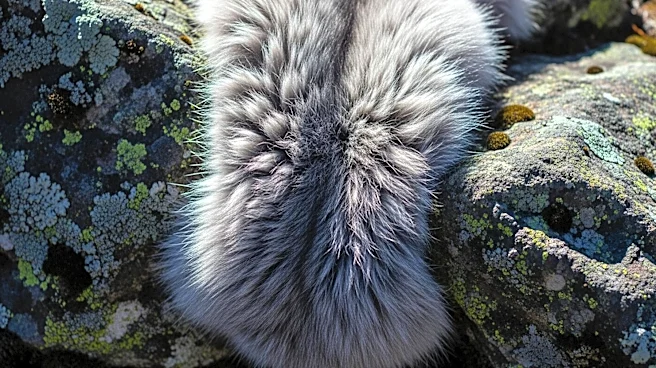







Chinchillas, native to the Andes Mountains in South America, are remarkable creatures known for their ability to thrive in harsh environments. These small rodents have developed unique adaptations that allow them to survive at high elevations and in arid climates. This article explores the fascinating adaptations of chinchillas, highlighting how they have become masters of their mountainous habitat.
Physical Adaptations
Chinchillas possess several physical traits that
enable them to navigate the rocky terrain of the Andes. Their short front legs and long, powerful hind legs are ideal for climbing and jumping, allowing them to leap across six-foot crevices with ease. The large feet with foot pads and weak claws provide stability on rocky surfaces, preventing slips and falls.
The dense fur of chinchillas is another crucial adaptation. With around 20,000 hairs per square centimeter, their fur is the densest of all terrestrial mammals. This thick coat provides insulation against the cold temperatures of the Andes, while also preventing water evaporation, helping them maintain body warmth. Additionally, the fur is so dense that parasites cannot penetrate it, offering protection from fleas and other pests.
Behavioral Adaptations
Chinchillas are crepuscular, meaning they are most active at dawn and dusk. This behavior helps them avoid predators during the day and night. In the wild, chinchillas take dust baths in volcanic ash to clean their fur and prevent matting from skin oils. This grooming ritual is essential for maintaining their plush coat and overall health.
Social behavior is another key adaptation. Chinchillas live in colonies called herds, which can range from 14 to 100 members. This social structure provides protection from predators and promotes interaction among individuals. Herding behavior is thought to enhance survival by facilitating communication and cooperation within the group.
Environmental Challenges
Despite their adaptations, chinchillas face significant environmental challenges. Habitat destruction due to mining and firewood harvesting threatens their survival. The burning and harvesting of the algarrobilla shrub, a natural habitat for chinchillas, poses a critical threat. Conservation efforts are crucial to preserving these unique rodents and their habitat.
Chinchillas have adapted remarkably well to the Andes, but their future depends on continued protection and conservation measures. Understanding their adaptations provides insight into the resilience of wildlife and the importance of preserving natural habitats. As we learn more about these fascinating creatures, we can better appreciate the delicate balance of ecosystems and the need to protect them for future generations.