
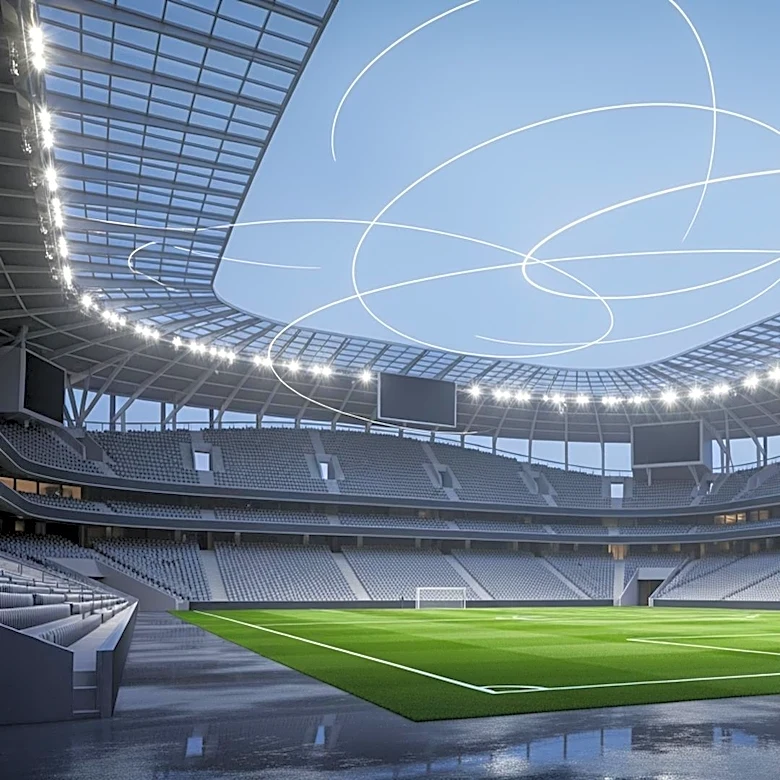




Estádio Beira-Rio, the iconic home of Sport Club Internacional in Porto Alegre, Brazil, is a testament to the power of community spirit. From its inception in the 1950s to its role in the 2014 FIFA World Cup, the stadium's history is deeply intertwined with the dedication and passion of its supporters. The story of Beira-Rio is one of collective effort, resilience, and a shared dream that brought a community together.
The Role of Fans in Construction
The construction of Estádio Beira-Rio
began in the late 1950s, driven by the vision of creating a world-class venue for Sport Club Internacional. The project faced significant challenges, as the proposed site was located within the Rio Guaíba, requiring a massive landfill operation. Despite these obstacles, the community rallied behind the project, with fans playing a crucial role in its development.
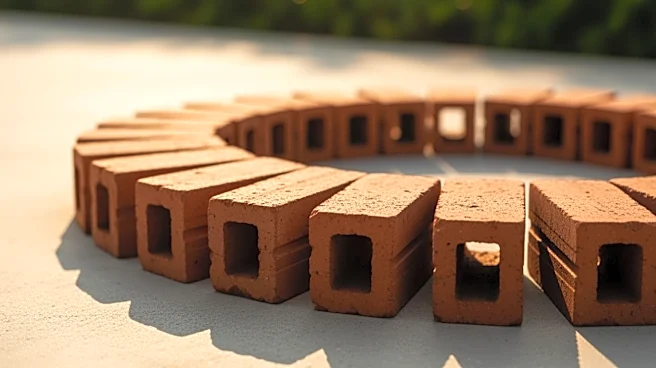
Supporters were encouraged to donate construction materials such as bricks, cement, and iron, and their contributions were instrumental in keeping the project alive. Radio campaigns and public events further mobilized the community, creating a sense of ownership and pride in the stadium's construction. This grassroots movement was a testament to the power of collective effort and the deep connection between the club and its supporters.
Overcoming Challenges Together
The construction of Beira-Rio was not without its setbacks. Financial difficulties in 1965 temporarily halted the project, highlighting the challenges faced by the club. However, the community's unwavering support and dedication ensured that the dream of Beira-Rio would not be abandoned. The Works Committee, with the help of Banco da Província, secured the necessary funds to resume construction, allowing the project to move forward.
The community's involvement extended beyond material contributions. Fans volunteered their time and labor, working alongside construction crews to bring the stadium to life. This collective effort fostered a sense of unity and shared purpose, as supporters came together to overcome obstacles and achieve a common goal. By 1968, the stadium was nearing completion, a testament to the resilience and determination of the Internacional community.
A Legacy of Community and Success
Estádio Beira-Rio was officially inaugurated on April 6, 1969, in a grand ceremony attended by approximately 100,000 people. The event featured a match between Internacional and Benfica, with Claudiomiro scoring the first goal in the new stadium. This moment marked the culmination of years of hard work and dedication, as well as the beginning of a new era for Internacional.
The stadium quickly became a symbol of community spirit and success, hosting numerous significant events, including the 2014 FIFA World Cup. The modernization process, known as 'Gigante Para Sempre' (Giant Forever), ensured that Beira-Rio remained a world-class venue while preserving its historical significance. The stadium's role in the World Cup was a testament to its enduring legacy and the power of community involvement.
Estádio Beira-Rio stands as a testament to the power of community spirit and collective effort. From its construction in the 1950s to its role in the 2014 World Cup, the stadium's history is a reflection of the dedication and passion of the Internacional community. As it continues to host significant events, Beira-Rio remains a symbol of unity, resilience, and the enduring spirit of football in Porto Alegre.