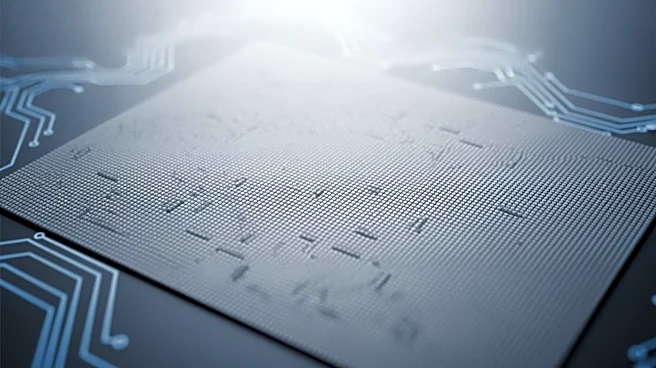



Electronic paper, or e-paper, is a fascinating technology that replicates the look of traditional ink on paper while offering the benefits of digital displays. This innovative technology relies on various scientific principles and materials to create displays that are readable, energy-efficient, and versatile. Understanding the science behind electronic paper reveals the complexity and ingenuity involved in its development.
Gyricon and Electrophoretic Displays
The journey of electronic
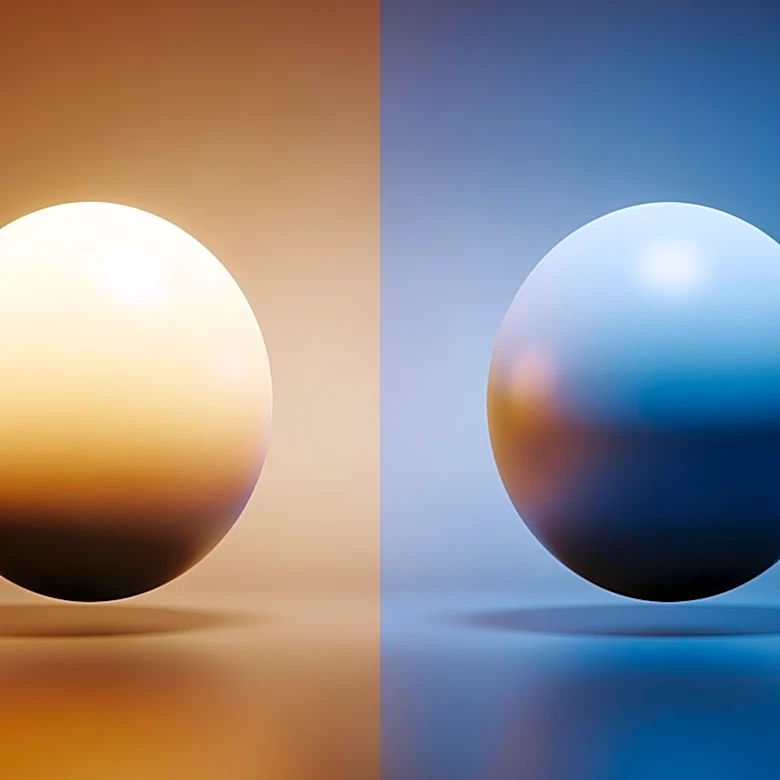
paper began with the development of Gyricon by Nick Sheridon in the 1970s. Gyricon technology involves polyethylene spheres embedded in a transparent silicone sheet. Each sphere is a Janus particle, with one side negatively charged and black, and the other positively charged and white. These spheres are suspended in oil, allowing them to rotate freely. By applying voltage, the spheres can be oriented to display either the black or white side, creating an image that can be retained even after the power is turned off.
Another key technology in electronic paper is the electrophoretic display (EPD). EPDs form images by rearranging charged pigment particles with an electric field. This is achieved by dispersing titanium dioxide particles in a hydrocarbon oil, along with a dark-colored dye. When voltage is applied, the particles migrate to the front or rear of the display, creating a white or dark appearance. This technology is widely used in e-readers due to its paper-like appearance and low power consumption.
Advanced Display Technologies
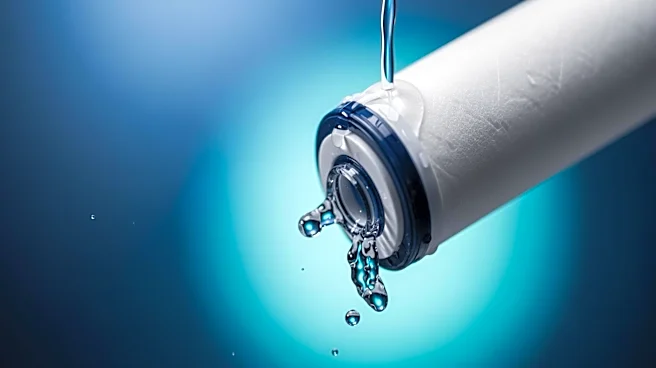
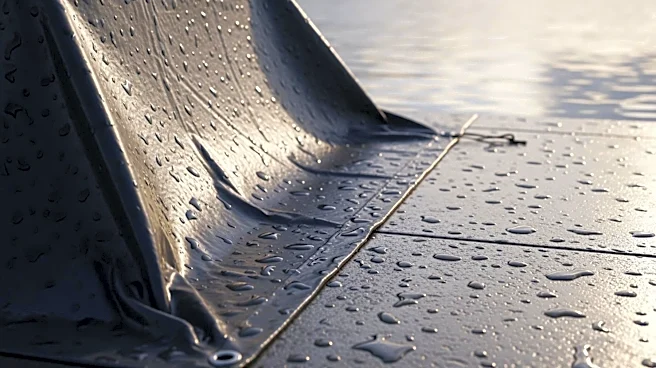
Beyond Gyricon and EPDs, electronic paper has evolved to include advanced technologies like electrowetting and plasmonic displays. Electrowetting displays control the shape of a water/oil interface with voltage, allowing for high brightness and contrast. This technology is fast enough to display video content and offers a unique path toward high-brightness full-color displays.
Plasmonic displays use nanostructures to reflect different colors, providing high resolution and low power consumption. These displays consist of a highly reflective metasurface made of metal-insulator-metal films, which can reflect different colors depending on the thickness of the insulator. The result is a display with broad color range, high contrast, and fast response time.
The Future of Electronic Paper
The future of electronic paper is bright, with ongoing research into new materials and methods to enhance its capabilities. Researchers are exploring flexible substrates and organic transistors to create displays that are not only energy-efficient but also adaptable to various applications. As the technology continues to advance, electronic paper is poised to play a significant role in the development of sustainable and innovative display solutions.
By understanding the science behind electronic paper, we gain insight into the remarkable engineering and creativity that drive this technology forward. As electronic paper continues to evolve, it promises to offer even more exciting possibilities for the future of digital displays.