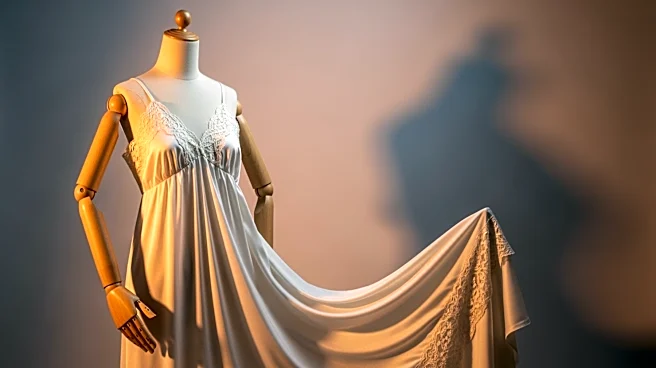







Nightgowns have long been a staple in women's wardrobes, serving both functional and fashionable purposes. From their origins as informal wear to their modern status as sleepwear, nightgowns have played a significant role in cultural and fashion history. This article delves into the cultural impact and fashion evolution of nightgowns.
Cultural Significance and Exotic Influences
The cultural significance of nightgowns can be traced back to their exotic influences. During the 16th to 18th centuries,
trade throughout Europe and Asia introduced foreign fabrics and styles to Western Europe and America. The kimono and banyan styles, with their loose-fitting designs, became popular due to their exotic associations. Fashion historian Patricia Cunningham suggests that the cut of the gown may derive from Persian and Turkish caftans.
Nightgowns were often seen in portraiture, symbolizing status and wealth. Paintings like "The Apothecary's Shop" and "The Concert" illustrate the appropriateness of the gown for both professional and social occasions. The adoption of the gown by the English is believed to date back to the 16th century, when Henry VIII wore an Islamic caftan for a portrait by Holbein.
Fashion Evolution and Design Changes
The fashion evolution of nightgowns is marked by significant design changes over the centuries. From 1840 to 1900, stylistic changes were made to necklines, collars, sleeves, bodices, and closures. Embellishments such as frills, ruffles, and lace were added to enhance their appearance. Despite the introduction of pyjamas, nightgowns remained popular, especially among women.
The 1920s saw nightgowns transition from domestic use to fashion statements. French designer Madeleine Vionnet rejected corsets and became famous for cutting fabric along the bias, accentuating curves while providing comfort. Nightgowns became a symbol of elegance, with trendsetters like Mary d'Erlanger popularizing the style at social events.
Modern Nightgowns and Fashion Trends
In the 21st century, nightgowns continue to influence fashion trends. Common modern styles include Victorian nightgowns and babydoll nighties, often made from cotton, satin, silk, or lace. Nightgowns have also made their way into daywear, seen on runways and in street style.
Designers like Calvin Klein have developed nightgown-style dresses, showcasing their versatility. As daywear becomes more relaxed, nightgowns may continue to inspire new styles and trends. The cultural and fashion impact of nightgowns remains significant, reflecting broader changes in attitudes towards clothing and fashion.