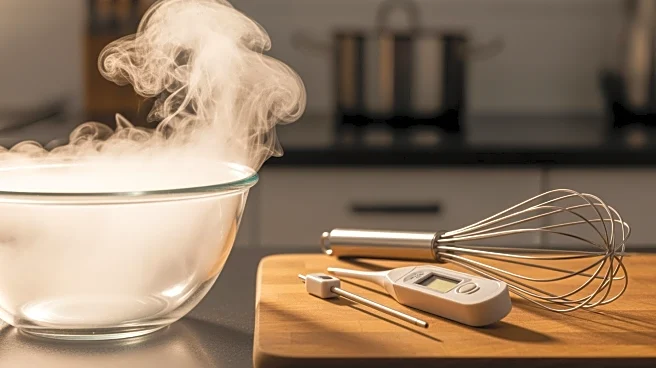




Cooking is not just an art; it is also a science. The methods used to prepare food are grounded in scientific principles that affect the texture, flavor, and nutritional content of the dishes we enjoy. Understanding these principles can enhance our appreciation of cooking and improve our culinary skills. This article delves into the science behind some common cooking techniques.
Heat and Chemical Reactions
At the heart of cooking is the application of heat, which triggers chemical
reactions that transform raw ingredients into delicious meals. One of the most well-known reactions is the Maillard reaction, which occurs when amino acids and sugars in food are exposed to heat, resulting in the browning and flavor development of cooked foods. This reaction is responsible for the savory taste of roasted meats and baked goods.
Caramelization is another important chemical process, occurring when sugars are heated to high temperatures, leading to the formation of complex flavors and aromas. This process is commonly used in baking and roasting, adding depth and sweetness to dishes. Understanding these reactions allows cooks to manipulate flavors and textures to achieve desired results.
The Role of Temperature Control
Temperature control is crucial in cooking, affecting the texture and safety of food. Low-temperature cooking methods, such as sous vide, rely on precise temperature regulation to cook food evenly and retain its natural flavors. By cooking food at lower temperatures for longer periods, tough proteins are broken down, resulting in tender, flavorful dishes.
Conversely, high-temperature cooking methods like frying and grilling create crispy textures and rich flavors through rapid heat application. The choice of cooking method and temperature can significantly impact the final dish, making temperature control a key aspect of culinary science.
Nutritional Implications
Cooking also affects the nutritional content of food. Heat can break down vitamins and minerals, reducing their availability in cooked dishes. For example, vitamin C is particularly susceptible to degradation during cooking, especially in prolonged heat exposure. However, cooking can also enhance the bioavailability of certain nutrients, such as the carotenoids in vegetables, making them easier for the body to absorb.
Understanding the nutritional implications of cooking methods can help individuals make informed choices about their diet. Techniques like steaming and blanching are often recommended for preserving nutrients, while frying and boiling may lead to nutrient loss. By considering the scientific principles behind cooking, we can optimize both the flavor and nutritional value of our meals.