

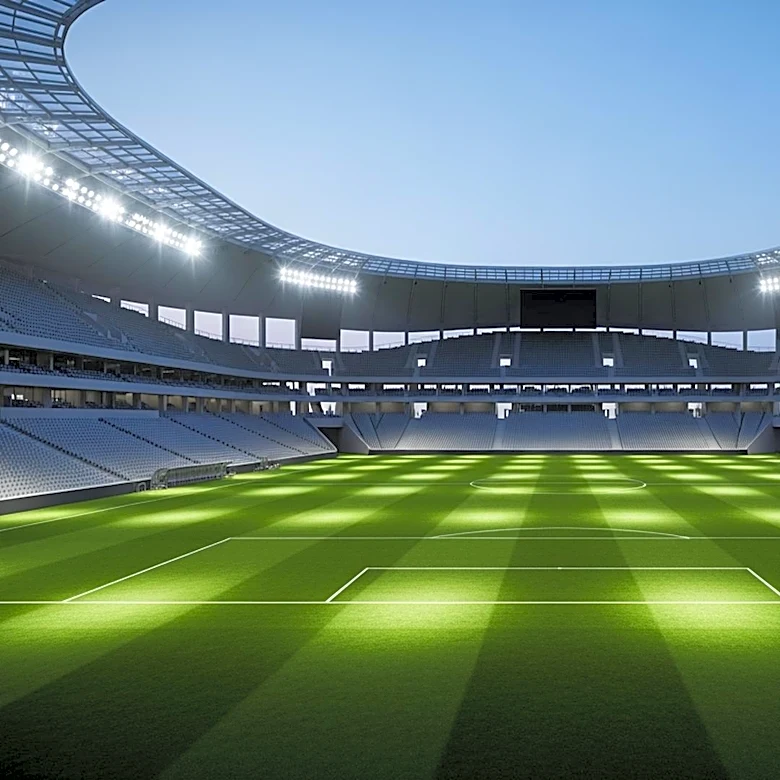





The Cotton Bowl in Dallas, Texas, played a significant role during the 1994 FIFA World Cup, hosting six matches. This historic stadium underwent several modifications to meet FIFA's requirements, ensuring it could accommodate the international event. These changes not only prepared the venue for the World Cup but also left a lasting impact on its structure and capacity.
Preparing for the World Cup
In preparation for the 1994 FIFA World Cup, the Cotton Bowl underwent significant
renovations. One of the primary changes was the reinstallation of natural grass, replacing the artificial turf that had been in place since 1970. This change was crucial as FIFA required natural grass for all World Cup matches. Additionally, the field was widened to meet international standards, ensuring that the games could be played without any restrictions.
Another important modification was the enlargement of the press box. This expansion was necessary to accommodate the increased number of media personnel covering the World Cup. The Cotton Bowl's capacity was also adjusted, reducing the number of seats to 71,615 to provide a more comfortable and compliant environment for spectators. These changes were essential in transforming the Cotton Bowl into a world-class venue suitable for hosting such a prestigious event.
Hosting the Matches
During the 1994 FIFA World Cup, the Cotton Bowl hosted six matches, showcasing teams from around the globe. The stadium's modifications allowed it to meet FIFA's stringent requirements, ensuring that the games were played smoothly and professionally. The matches held at the Cotton Bowl were part of a larger effort to bring the World Cup to various cities across the United States, highlighting the country's diverse venues.
The Cotton Bowl's involvement in the World Cup was a testament to its historical significance and ability to adapt to modern demands. By hosting these matches, the stadium not only contributed to the success of the World Cup but also reinforced its status as a key sports venue in the United States.
Lasting Impact
The renovations made for the 1994 FIFA World Cup had a lasting impact on the Cotton Bowl. The reinstallation of natural grass became a permanent feature, enhancing the quality of the playing surface for future events. The changes in seating capacity and press facilities also improved the overall experience for both spectators and media personnel.
These modifications positioned the Cotton Bowl as a versatile venue capable of hosting a wide range of events beyond football. The stadium's involvement in the World Cup demonstrated its ability to adapt and evolve, ensuring its continued relevance in the world of sports. The legacy of the 1994 FIFA World Cup lives on at the Cotton Bowl, marking a significant chapter in its storied history.