





The lateral raise is a versatile exercise that can be adapted in various ways to target the shoulder muscles effectively. Each variation offers unique benefits and can be tailored to suit different fitness levels and goals. This article explores the different variations of the lateral raise, highlighting their specific advantages and how they can be incorporated into a workout routine.
Dumbbell Lateral Raise
The dumbbell lateral raise is the most traditional form of this
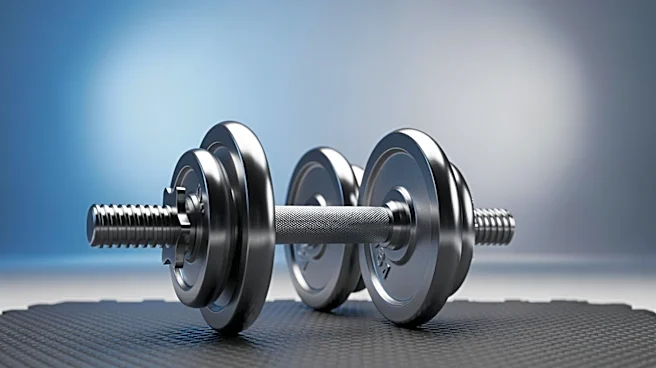
exercise. It involves holding a dumbbell in each hand, with the arms at the sides. The movement is performed by raising the arms through an arc until they reach shoulder height, then lowering them back to the starting position. This variation primarily targets the middle deltoid, helping to build shoulder width and strength.
One of the key benefits of the dumbbell lateral raise is its simplicity and accessibility. It can be performed with minimal equipment and is suitable for beginners and advanced lifters alike. Additionally, it allows for a natural range of motion, reducing the risk of injury when performed correctly.
Cable Lateral Raise
The cable lateral raise is another popular variation that offers a different challenge compared to the dumbbell version. In this exercise, the individual stands with the coronal plane in line with the pulley, which is positioned at or near the ground. The cable provides constant tension on the muscles throughout the movement, enhancing muscle activation and growth.
This variation is particularly beneficial for those looking to improve muscle endurance and control. The cable machine allows for a more controlled movement, making it easier to focus on the contraction of the deltoid muscles. It also provides the option to perform the exercise unilaterally, which can help in addressing muscle imbalances.
Bent-Over Lateral Raise
The bent-over lateral raise, also known as the reverse fly, targets the posterior deltoid. This variation is performed with the torso parallel to the ground, and the arms moving through the transverse plane. It is an excellent exercise for developing the rear deltoids and improving overall shoulder stability.
Incorporating the bent-over lateral raise into a workout routine can help in achieving a well-rounded shoulder development. It complements the traditional lateral raise by focusing on the often-neglected posterior deltoid, contributing to better posture and shoulder health.
By exploring and incorporating these variations of the lateral raise, individuals can enhance their shoulder workouts and achieve a more balanced and effective training regimen. Each variation offers unique benefits, making it a valuable addition to any strength training program.