



Youngstown, Ohio, once a thriving industrial hub, is known for its significant role in the steel industry. The city's history is deeply intertwined with the rise and fall of steel production, which shaped its economic and social landscape. This article delves into the historical development of Youngstown's steel industry, its peak, and the subsequent decline that led to the city's transformation into a symbol of the Rust Belt.
Early Industrialization
Youngstown's journey
into industrial prominence began in the early 19th century with the discovery of coal, which paved the way for its inclusion in the Erie Canal network. The completion of the canal in 1840 facilitated transportation and economic growth, attracting immigrants from various backgrounds to work in the burgeoning coal industry. The arrival of the railroad in 1856 further accelerated industrial development, leading to the establishment of steel mills in the late 19th century.
The city's steel industry drew a diverse workforce, including Welsh, German, Irish, Eastern European, Italian, and Greek immigrants. This influx of labor contributed to Youngstown's growth as a major steel producer. By the early 20th century, the community saw an increase in immigrants from non-European countries, further diversifying its population.
Peak and Decline
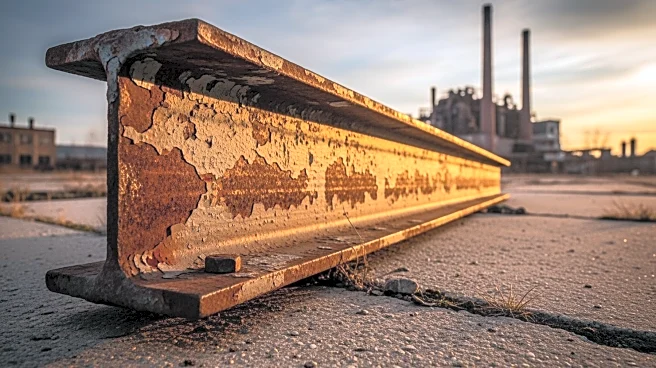
Youngstown's steel industry reached its peak in the mid-20th century, becoming a vital part of the local economy. However, the city's reliance on steel production without economic diversification made it vulnerable to changes in the industry. The decline began in the 1970s when steelmaking jobs moved offshore, leading to significant job losses and economic downturn.
The closure of Youngstown Sheet and Tube's Campbell works in 1977 marked a turning point, signaling the end of the city's steel dominance. Subsequent attempts to revive the industry were unsuccessful, and the community faced the loss of thousands of manufacturing jobs and satellite businesses. The impact of this decline was profound, leaving Youngstown as a prime example of the Rust Belt's challenges.
Revitalization Efforts
In response to the economic decline, Youngstown has undertaken various revitalization efforts in the 21st century. Initiatives like the Youngstown Business Incubator and the Youngstown 2010 plan aim to diversify the economy and improve the city's image. The construction of new facilities, such as the Covelli Centre and Youngstown Foundation Amphitheatre, reflects these efforts to transform the city.
Despite the challenges, Youngstown continues to adapt and evolve, seeking new opportunities for growth and development. The city's history serves as a reminder of the importance of economic diversification and resilience in the face of industrial change.