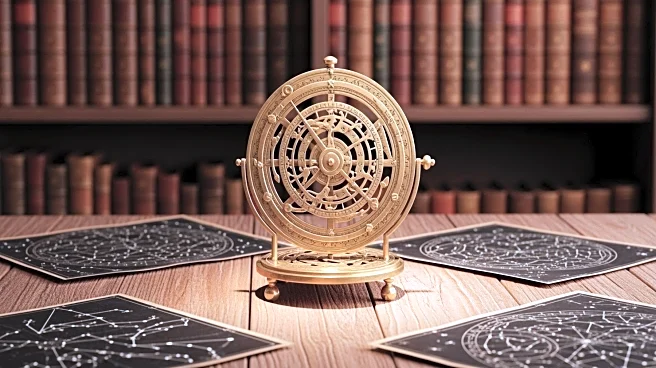




Astrology, despite being a pseudoscience, has had a profound cultural impact across various societies throughout history. Its influence extends beyond mere predictions, shaping cultural practices, beliefs, and even scientific developments. This article examines the cultural impact of astrology, highlighting its role in shaping human history and thought.
Astrology in Ancient Cultures
Astrology's roots can be traced back to ancient civilizations, where it played a significant role
in cultural and religious practices. The Babylonians were among the first to link celestial phenomena with human activities, developing a system of celestial omens that influenced their culture. This early form of astrology laid the groundwork for later astrological practices.
In ancient Greece, astrology was integrated into medical practices, relating planetary movements to medical operations. This connection between astrology and medicine provided a further motivator for the study of astronomy, influencing scientific inquiry during the Hellenistic period.
Influence on Scientific Development
Astrology has historically driven the development of astronomy, particularly during the Islamic Golden Age. Observatories were constructed to make astrological predictions, fueled by precise planetary information. Although astrology was eventually rejected within Islam, its initial influence on scientific inquiry was significant.
The rejection of astrology in works of astronomy began in the late 17th century, marking a shift towards scientific rationalism. Despite this, astrology's impact on the development of astronomy and scientific thought cannot be overlooked, as it provided a foundation for early astronomical studies.
Astrology in Modern Culture
In modern times, astrology continues to influence popular culture, with horoscopes and sun sign astrology being widely consumed. Newspapers and magazines often feature astrology columns, providing guidance based on the zodiac signs. Although these predictions are vague and general, they remain popular among readers seeking insight into their lives.
Astrology's cultural impact is evident in its persistence despite scientific critique. It reflects a human desire to find meaning and connection in the cosmos, influencing cultural practices and beliefs across generations. While astrology may lack scientific validity, its cultural significance endures, shaping the way people perceive themselves and the universe.