

Don Newcombe was a trailblazer in the world of professional baseball, breaking barriers and setting records throughout his career. Known for his powerful pitching and impressive batting skills, Newcombe's journey from the Negro National League to Major League Baseball (MLB) and beyond is a testament to his talent and determination. This article explores the key milestones in Newcombe's career, highlighting his achievements and contributions to the sport.
Early Career and Breakthrough
Don Newcombe began his professional baseball career in the Negro National League, playing for the Newark Eagles in 1944 and 1945. His talent quickly caught the attention of the Brooklyn Dodgers, who signed him to play for their minor league team, the Nashua Dodgers, in 1946. This team was notable for being the first racially integrated baseball team in the United States in the 20th century, with Newcombe and catcher Roy Campanella as key players.
In 1948, Newcombe was promoted to the Montreal Royals, the Dodgers' Triple-A affiliate. His performance there paved the way for his MLB debut with the Brooklyn Dodgers on May 20, 1949. Newcombe became the third African American pitcher in the major leagues, following Dan Bankhead and Satchel Paige. His rookie season was remarkable, earning him the Rookie of the Year award and a spot on the All-Star team.
Achievements and Records
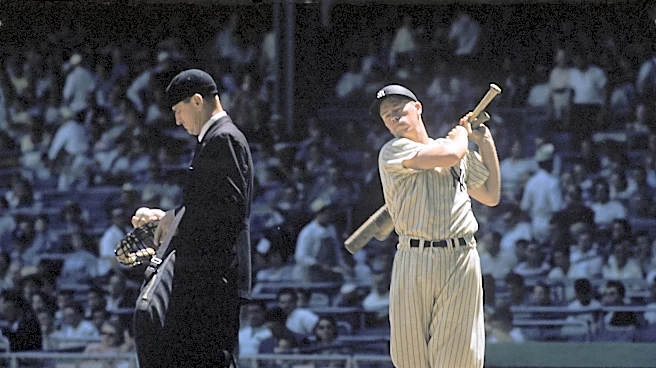
Newcombe's career was marked by numerous achievements and records. In 1951, he became the first Black pitcher to win 20 games in a single season. His prowess on the mound was complemented by his skills at the plate, making him a rare dual threat in baseball. Newcombe's batting average of .271 ranks among the highest for pitchers in MLB history.
In 1956, Newcombe had one of his best seasons, winning the National League MVP and the inaugural Cy Young Award. He was the first player to win both awards in the same season, a feat that highlighted his dominance in the league. Newcombe's contributions were instrumental in the Dodgers' success, including their first World Series victory in 1955.
Challenges and Legacy
Despite his success, Newcombe faced challenges, including a two-year military service during the Korean War and struggles with alcoholism, which he later overcame. After retiring from MLB in 1960, Newcombe continued to play baseball in Japan for the Chunichi Dragons, showcasing his versatility as both a pitcher and a position player.
Newcombe's legacy extends beyond his on-field achievements. He was a pioneer for African American athletes in baseball, breaking down racial barriers and paving the way for future generations. His impact on the sport is commemorated by a historic marker in Nashua, New Hampshire, celebrating his and Campanella's contributions to baseball history.