




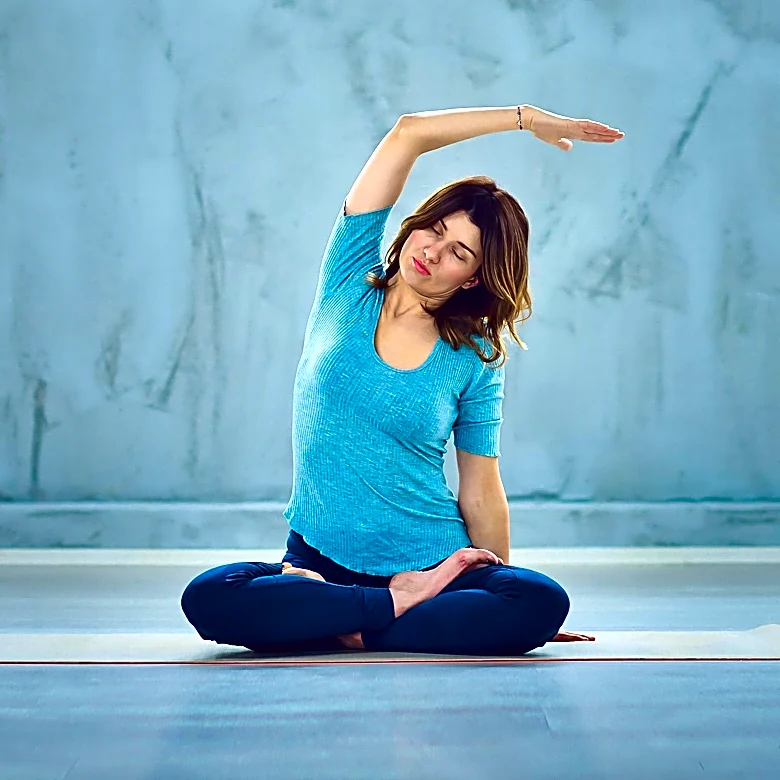




Static stretching is a widely practiced form of physical exercise aimed at improving flexibility and muscle control. This article explores the benefits and limitations of static stretching, providing insights into its role in physical fitness routines. Static stretching involves holding a stretch for a period of time, typically between 10 to 20 seconds, to enhance muscle elasticity and range of motion.
Benefits of Static Stretching
One of the primary benefits of static stretching
is its ability to increase flexibility. By stretching muscles to the point of mild discomfort, individuals can gradually improve their range of motion. This increased flexibility can lead to better muscle control and a more comfortable muscle tone, which is beneficial for various physical activities.
Static stretching is also used therapeutically to alleviate cramps and improve function in daily activities. It is a natural and instinctive activity performed by humans and many other animals, often occurring after waking from sleep or long periods of inactivity. This instinctive stretching helps prepare the body for movement and can contribute to overall physical well-being.
Limitations of Static Stretching
Despite its benefits, static stretching has limitations, particularly when performed before exercise. Long-duration pre-exercise static stretching can temporarily reduce muscular strength and maximal performance. This reduction in muscle power can affect athletic activities, making static stretching less ideal as part of a warm-up routine.
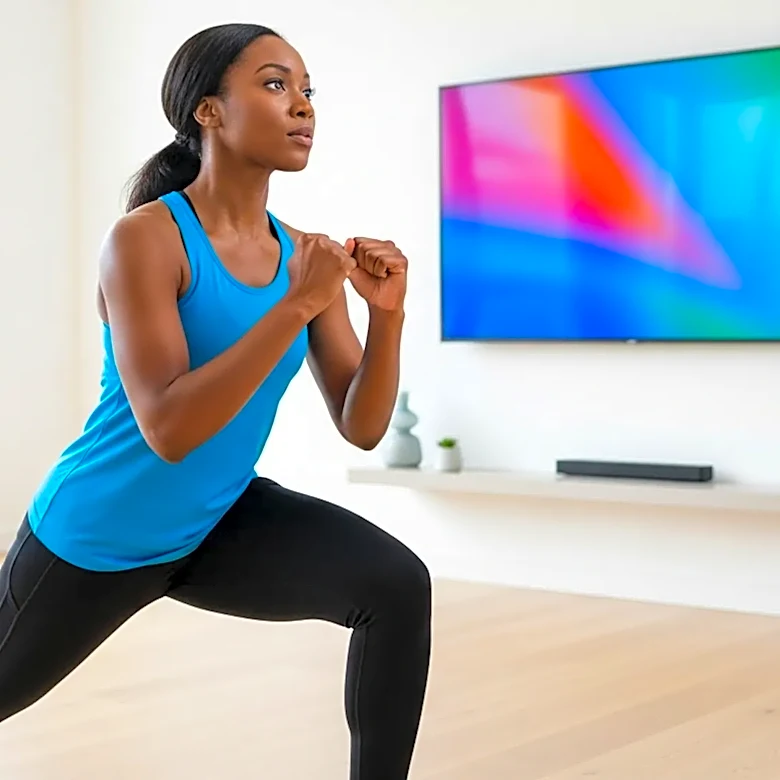
For this reason, an active dynamic warm-up is recommended before exercise instead of static stretching. Dynamic stretching involves movement-based stretches that increase blood flow and loosen muscle fibers, preparing the body for physical exertion without the temporary reduction in muscle strength associated with static stretching.
Static Stretching in Fitness Routines
Static stretching is often incorporated into cool-down routines after exercise. During this phase, it helps increase flexibility and aids in muscle recovery. While it does not appear to improve short-term musculotendinous stiffness or range of motion immediately after exercise, many athletes report feeling better after engaging in static stretching during their cool-down.
The effectiveness of static stretching can vary depending on the sport and individual preferences. For some athletes, increased flexibility may not be desirable, as it can affect performance. Therefore, the inclusion of static stretching in fitness routines should be tailored to the specific needs and goals of the individual.