



Household air pollution is a pressing issue in many developing countries, where traditional cooking methods contribute to significant health risks. Technological solutions, such as improved cookstoves and alternative fuels, offer promising ways to reduce pollution and improve health outcomes. This article explores these technological interventions and their potential impact.
Improved Cookstoves
One of the primary technological solutions to household air pollution is the development
and distribution of improved cookstoves. These stoves are designed to burn biomass fuels more efficiently, reducing the amount of smoke and harmful emissions produced during cooking. Improved cookstoves can decrease fuel consumption by 20-75%, which not only reduces indoor air pollution but also lessens the environmental impact of fuel harvesting.
Despite their benefits, improved cookstoves have limitations. Many do not meet the World Health Organization's standards for clean cooking, as they still emit toxic levels of pollutants. However, they represent an important interim solution in areas where cleaner technologies are not yet feasible. The adoption of improved cookstoves can significantly reduce exposure to harmful smoke, particularly for women and children who spend the most time near cooking fires.
Alternative Fuels
Transitioning to cleaner fuels is another critical strategy for reducing household air pollution. Fuels such as liquefied petroleum gas (LPG), biogas, and electricity offer cleaner alternatives to traditional biomass fuels. These fuels produce fewer emissions and are more efficient, leading to better health outcomes and reduced environmental impact.
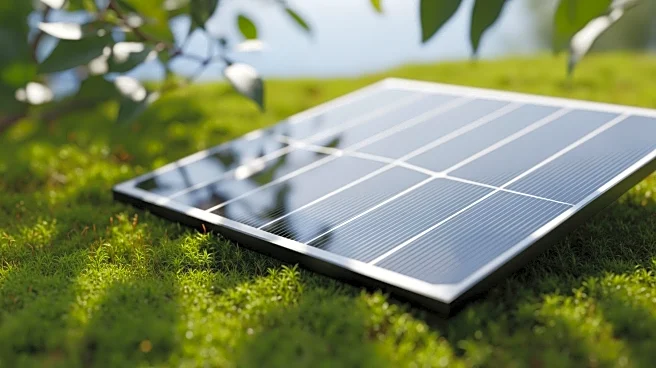
Biogas systems, which convert waste into a methane-rich gas, are particularly promising in rural areas with access to animal dung and water. Solar cookers, which use sunlight to cook food, provide a non-polluting and cost-effective solution in regions with abundant sunshine. However, the adoption of these technologies is often hindered by cost, availability, and cultural preferences.
Challenges and Opportunities
While technological solutions offer significant potential to reduce household air pollution, several challenges remain. The cost of cleaner stoves and fuels can be prohibitive for low-income households, and cultural practices may favor traditional cooking methods. Additionally, the infrastructure for distributing and maintaining new technologies is often lacking in rural areas.
To overcome these challenges, a multifaceted approach is needed. This includes government policies to subsidize clean cooking technologies, community education programs to raise awareness of the health benefits, and investment in infrastructure to support the distribution and maintenance of new technologies. By addressing these barriers, technological solutions can play a crucial role in reducing household air pollution and improving health outcomes in developing countries.