
Mount Rushmore is not only a monumental sculpture but also a fascinating geological formation located in the Black Hills of South Dakota. The natural setting and geological features of the area play a crucial
role in the monument's history and its enduring presence. This article explores the geology of Mount Rushmore and the surrounding environment that makes it a unique and captivating site.
Geological Features
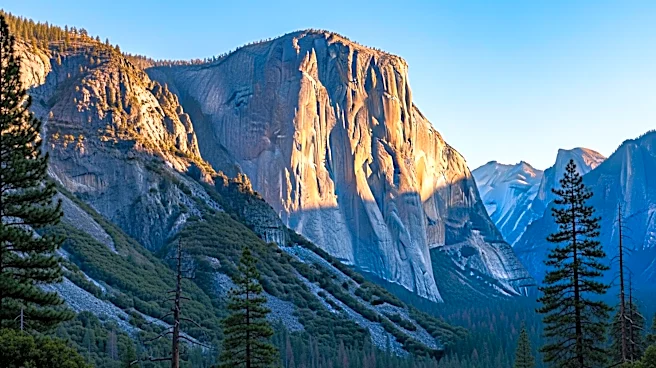
Mount Rushmore is carved into a granite batholith, a large mass of igneous rock that formed deep beneath the Earth's surface. The granite of Mount Rushmore is part of the Black Elk Peak granite batholith, which intruded into older mica schist rocks during the Proterozoic era, approximately 1.6 billion years ago. This granite is known for its durability, eroding at a rate of only one inch every 10,000 years, making it an ideal medium for the monumental sculpture.
The granite's composition includes coarse-grained pegmatite dikes, which are visibly lighter in color and create the light-colored streaks seen on the foreheads of the presidents. The geological stability and fine-grained texture of the granite were key factors in sculptor Gutzon Borglum's decision to choose Mount Rushmore as the site for the monument. The mountain's southeast-facing orientation also provides maximum sunlight exposure, enhancing the visibility of the sculptures.
The Black Hills Environment
The Black Hills region, where Mount Rushmore is located, is characterized by its unique topography and diverse ecosystems. The area is part of the Black Hills Plateau ecoregion, an extension of the Middle Rockies ecoregion, surrounded by the Northwestern Great Plains. The Black Hills are known for their rugged terrain, with elevations reaching up to 7,242 feet at Black Elk Peak, the highest point in the region.
The natural environment around Mount Rushmore is rich in biodiversity, with a variety of plant and animal species. The forested areas are predominantly composed of ponderosa pine, with other tree species such as quaking aspen, bur oak, and white spruce. The region is home to numerous wildlife species, including mule deer, coyotes, and mountain goats, which are descendants of a herd introduced to the area in the 1920s.
Conservation and Preservation
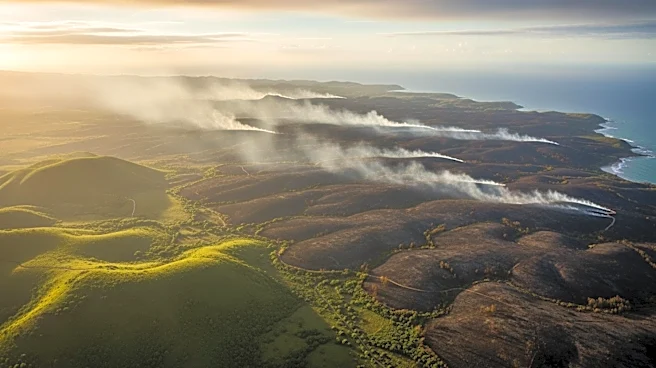
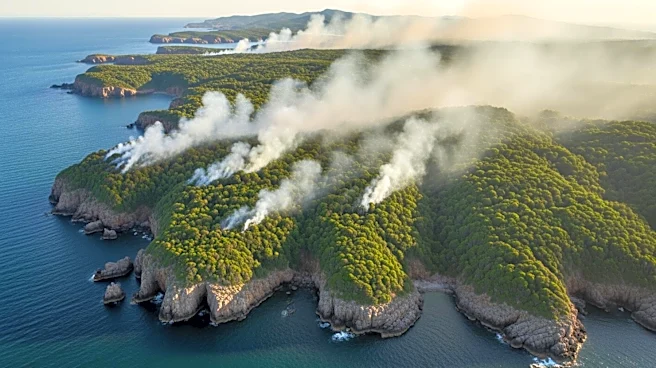
The preservation of Mount Rushmore and its natural surroundings is a priority for the National Park Service. Efforts to conserve the monument include regular monitoring and maintenance to address natural erosion and environmental impacts. The surrounding forested areas are managed to prevent wildfires and maintain the health of the ecosystem.
Mount Rushmore's geological and natural setting is an integral part of its identity, contributing to its status as a national treasure. The combination of human achievement and natural beauty makes it a site of both historical and environmental significance, drawing visitors from around the world to experience its grandeur.