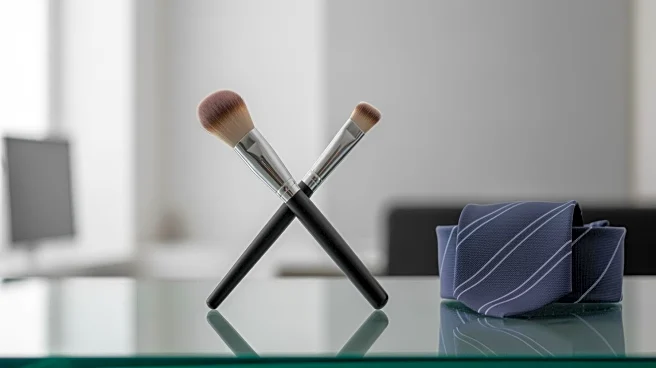

Cosmetics policies, which dictate the wearing of makeup in various settings, have significant implications for gender roles and workplace dynamics. These policies can either require or forbid the use of cosmetics,
often leading to debates about sex discrimination and the burdens placed on certain groups. Understanding these policies helps illuminate the broader social and professional expectations placed on individuals based on gender.
Gender-Specific Policies and Their Implications
Cosmetics policies that apply to only one sex are often criticized as a form of sex discrimination. For instance, a policy that requires women to wear lipstick or forbids men from wearing nail polish can reinforce traditional gender roles. Critics argue that such policies place undue burdens on women, who may have to spend more time and money on cosmetics to meet workplace expectations. These policies can also present challenges for transgender and non-binary individuals, who may not fit neatly into traditional gender categories.
In many jurisdictions, these sex-specific cosmetics policies are legal, allowing companies to enforce them without facing legal repercussions. This legal backing can perpetuate a workplace culture where appearance is closely tied to professional success, particularly for women. As a result, women may face disciplinary actions, lower pay, or even termination if they do not adhere to these unspoken or formalized grooming standards.
Workplace Expectations and the Grooming Gap
The expectation for women to wear cosmetics in the workplace often goes unspoken, creating a "grooming gap" that can have negative consequences. Women may feel pressured to conform to these standards to avoid penalties or to be perceived as professional. This grooming gap can lead to financial and time burdens, as women invest in cosmetics to meet these expectations.
In some cases, companies have formal policies requiring women to wear makeup, while prohibiting men from doing so. Federal courts in the United States have historically permitted these gendered policies, reinforcing the notion that appearance is a critical component of professional success. This dynamic can create an environment where women are judged more harshly on their appearance than their male counterparts.
Legal and Social Challenges
Legal challenges to cosmetics policies have highlighted the complexities of enforcing gender-specific grooming standards. In the United States, cases like Jespersen v. Harrah's Operating Co. have upheld the legality of such policies, even when they result in the termination of employees who refuse to comply. These legal precedents underscore the challenges faced by individuals who do not conform to traditional gender norms.
Social media and public protests have also played a role in challenging these policies. In Japan, for example, women have protested against mandatory makeup and high heel requirements, although these policies remain legal. Such movements highlight the ongoing struggle for gender equality in the workplace and the need for more inclusive and equitable grooming standards.