


Selecting the perfect roasting pan can significantly impact your cooking results. With various materials and sizes available, understanding the benefits of each can help you make an informed decision. Whether you're a seasoned chef or a home cook, choosing the right roasting pan is crucial for achieving delicious meals.
Material Matters
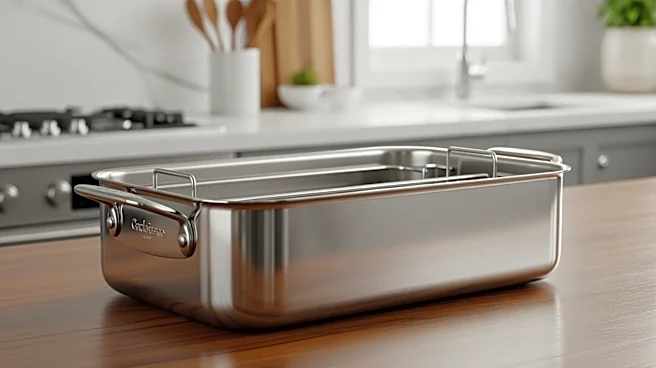
Roasting pans come in several materials, each offering unique advantages. Aluminum foil pans are inexpensive and disposable, making
them ideal for quick, hassle-free cooking. Stainless steel pans may feature non-stick coatings, providing durability and easy cleaning. Coated enamelware also offers a non-stick surface, while cast iron pans excel in heat conduction, allowing for browning meat on the stovetop before roasting.
Clay cookers, such as covered clay pots, can brown food if the oven temperature is raised towards the end of cooking. This material is perfect for those who appreciate the natural flavors and textures that clay cooking imparts. Understanding these material differences can guide you in selecting a pan that suits your cooking style.
Size and Depth Considerations
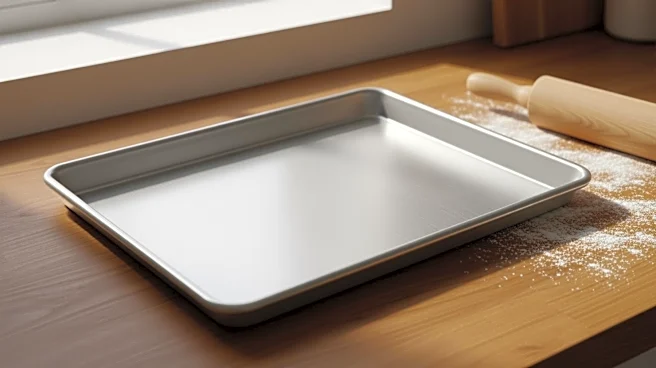
The size and depth of a roasting pan are crucial factors to consider. Shallow pans are best for small cuts of meat, providing even heat distribution and easy access. Large roasting pans are necessary for cooking bigger poultry like turkey or goose, accommodating the size and ensuring thorough cooking.
Deep roasting pans offer additional versatility, allowing you to cook vegetables alongside meat. The depth enables the vegetables to absorb the meat's juices, enhancing flavor and creating a complete meal in one pan. This feature is particularly beneficial for those who enjoy hearty, one-pan dishes.
Additional Features
Roasting racks are a valuable accessory that can elevate your cooking. Horizontal racks lay flat, while standing racks sit vertically, commonly used for poultry. These racks allow the meat to sit above the fat and juice drippings, promoting healthier cooking and even heat distribution.
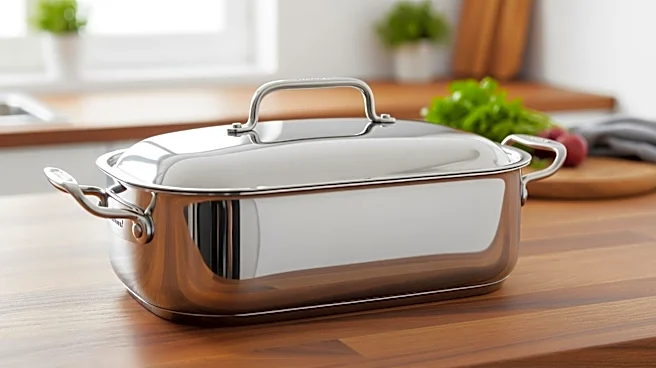
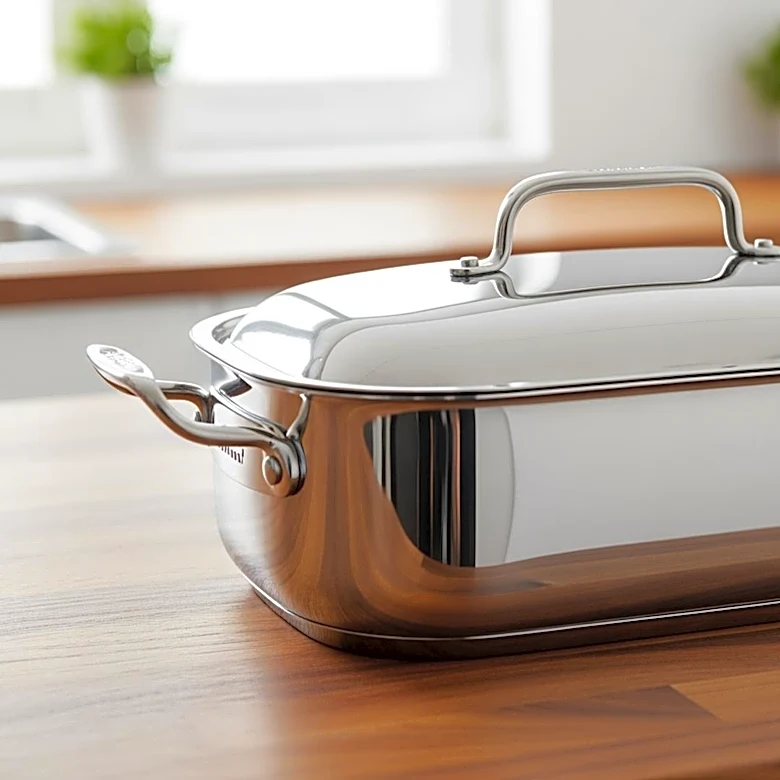
Covered roasting pans are ideal for lean meats, helping retain moisture and soften the meat during long cooking times. This feature is essential for recipes that require slow roasting, ensuring tender and flavorful results.
In conclusion, choosing the right roasting pan involves considering material, size, and additional features. By understanding these elements, you can select a pan that meets your cooking needs and enhances your culinary creations. Whether you're preparing a simple roast or an elaborate meal, the right roasting pan can make all the difference.