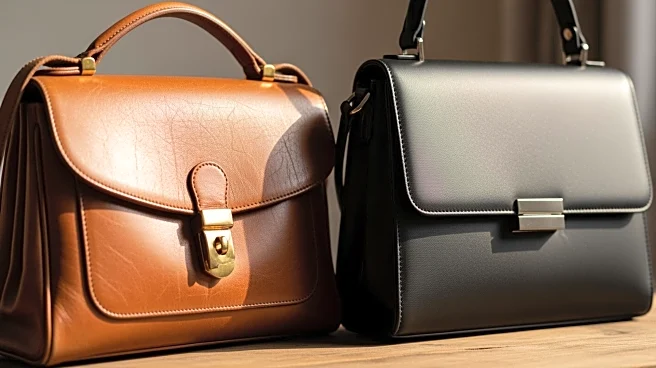





Handbags have been a staple accessory for centuries, evolving from simple pouches to the fashion statements they are today. This journey through time highlights how handbags have transformed in design and purpose, reflecting changes in society and technology. From ancient leather pouches to the luxurious designer bags of the modern era, the handbag's evolution is a fascinating tale of adaptation and style.
Ancient Beginnings
The history of handbags dates back to ancient
times when they were primarily used for practical purposes. Early examples of bags have been discovered in Egyptian burial sites, dating as far back as 2686 BCE. These bags were made of leather and featured two straps or handles, allowing them to be carried or suspended from a stick. The ancient Greeks also utilized purses, known as byrsa, made from materials like leather, papyrus, and linen to store coins. This practical use of bags continued through the ages, with the emergence of money inspiring the creation of drawstring purses, often hung from belts or tucked into clothing folds.
The Industrial Revolution and Modernization
The Industrial Revolution marked a significant turning point in the evolution of handbags. With the increase in travel by railway, there was a need for more durable and spacious bags. In 1841, Samuel Parkinson, a confectionery entrepreneur, commissioned a set of traveling cases and insisted on a traveling bag for his wife. This led to the creation of the first modern set of luxury handbags, including a clutch and a tote, made from the same leather as his cases and trunks. These bags were designed to withstand the rigors of travel and were a departure from the smaller, more delicate purses of the past.
The 20th Century and Beyond
The 20th century saw handbags become more than just practical items; they became symbols of fashion and status. As handbags grew in popularity, they were initially criticized as unfeminine. However, they soon became essential fashion accessories, with styles, materials, and brand names becoming as important as functionality. The handbag's role as a status symbol was solidified, with designer bags becoming highly sought after. Today, handbags continue to evolve, with new designs and materials constantly being introduced, reflecting the ever-changing world of fashion.
The handbag's journey from ancient utility to modern fashion icon is a testament to its adaptability and enduring appeal. As society and technology continue to evolve, so too will the handbag, maintaining its place as a beloved accessory for generations to come.