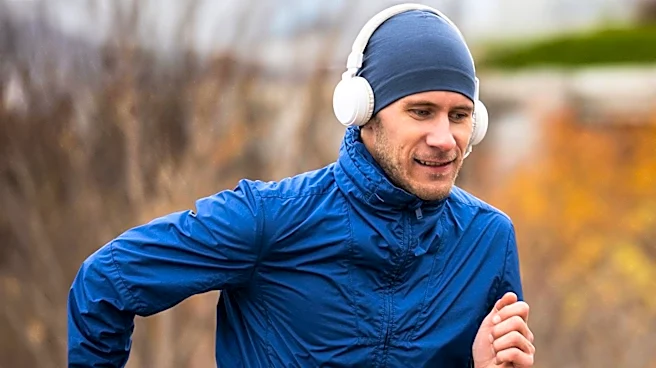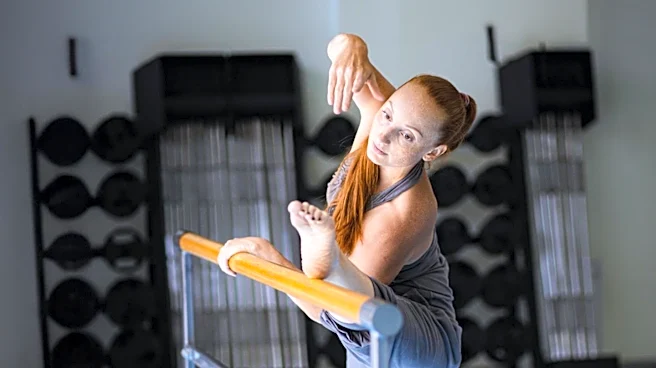





Breathing is a crucial component of physical exercise, playing a significant role in optimizing performance and ensuring effective oxygen absorption. During exercise, the body's demand for oxygen increases, necessitating deeper breathing patterns to meet this need. Understanding how breathing influences physical activity can help individuals enhance their exercise routines and achieve better results.
The Importance of Deep Breathing
During physical exercise, adopting a deeper breathing
pattern facilitates greater oxygen absorption, which is essential for sustaining energy levels and improving endurance. Deep breathing involves the thoracic diaphragm adopting a lower position in the core, generating intra-abdominal pressure that strengthens the lumbar spine. This process not only supports powerful physical movements but also contributes to overall core stability.
When lifting heavy weights, it is often recommended to take a deep breath or adopt a deeper breathing pattern. This technique helps stabilize the body, allowing for more controlled and effective lifting. The relationship between breathing and physical strength underscores the importance of breath control in maximizing exercise performance.
Breathing Techniques for Enhanced Exercise
Various breathing techniques can be employed to enhance physical exercise. Diaphragmatic breathing, also known as belly breathing, involves contracting the diaphragm to draw air into the lungs. This method minimizes the work of intercostal muscles, allowing for more efficient oxygen intake. The expansion of the belly during diaphragmatic breathing creates space for the diaphragm's contraction, facilitating deeper breaths.
Incorporating breathing exercises into workout routines can improve posture and strengthen the diaphragm muscles. Tai chi, for example, combines aerobic exercise with breathing techniques to make better use of the body's qi. These practices highlight the synergy between breath and movement, demonstrating how controlled breathing can enhance physical activity.
Breathing and Exercise Recovery
Breathing also plays a vital role in exercise recovery, helping to regulate the body's physiological responses post-workout. Conscious breathing techniques can promote relaxation and reduce stress, aiding in the recovery process. By focusing on breath control, individuals can lower heart rates and stabilize blood pressure, facilitating a smoother transition from intense physical activity to rest.
The ability to consciously modify breathing patterns during recovery can enhance overall well-being and prevent exercise-related fatigue. Reflexes such as the diving reflex, which alters breathing and circulation during submersion, illustrate the body's capacity to adapt breathing for conservation and recovery. These insights into breathing and exercise recovery emphasize the importance of breath in maintaining physical health.