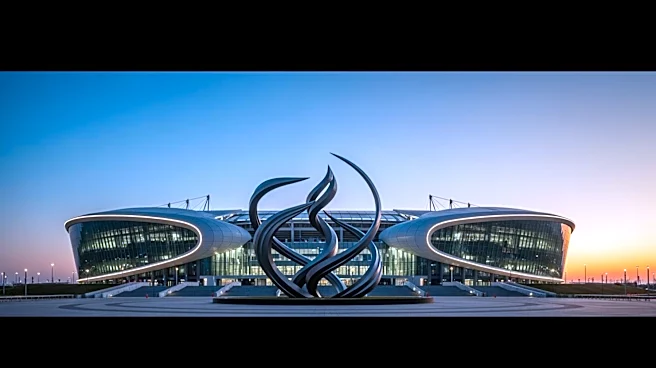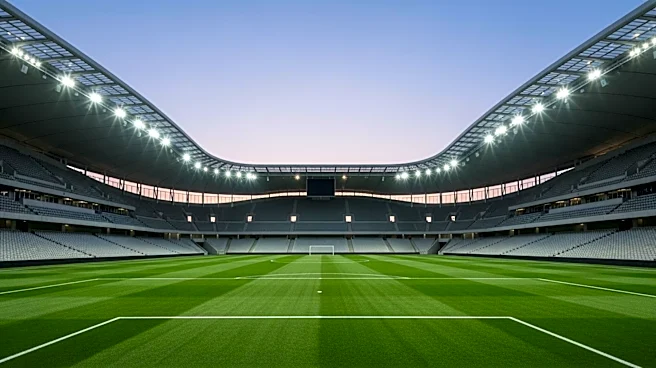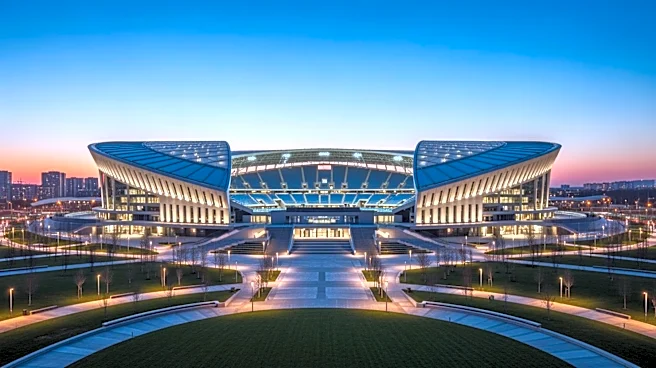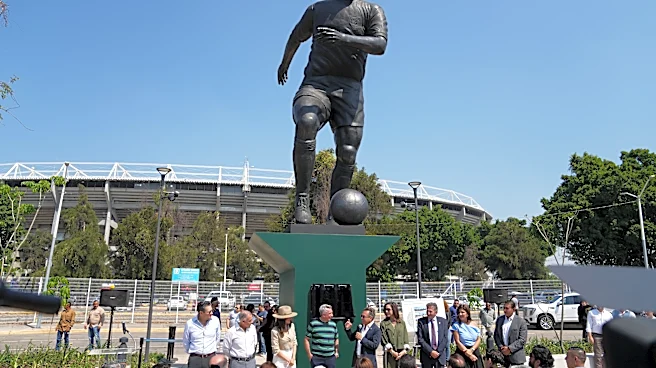



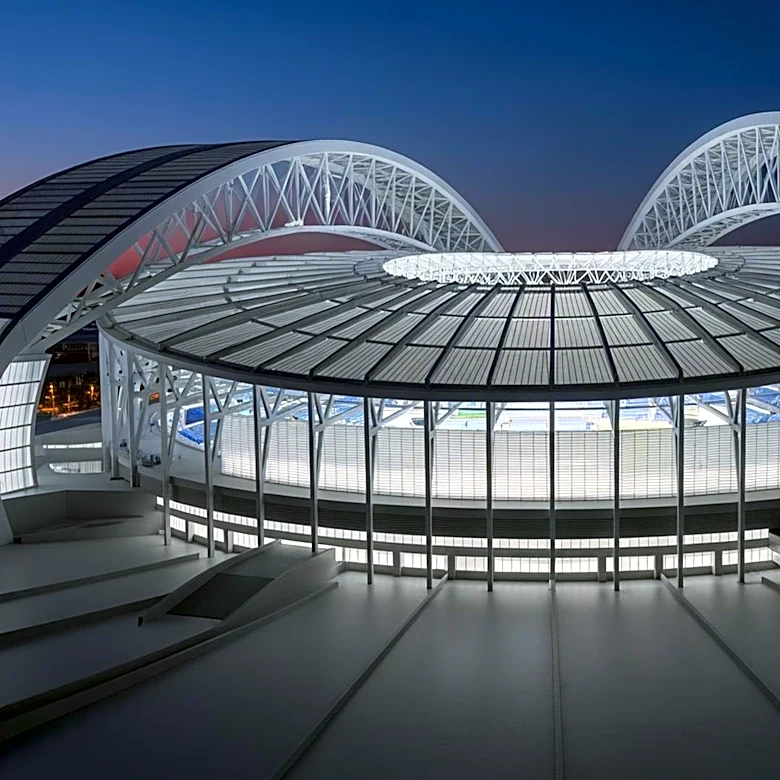
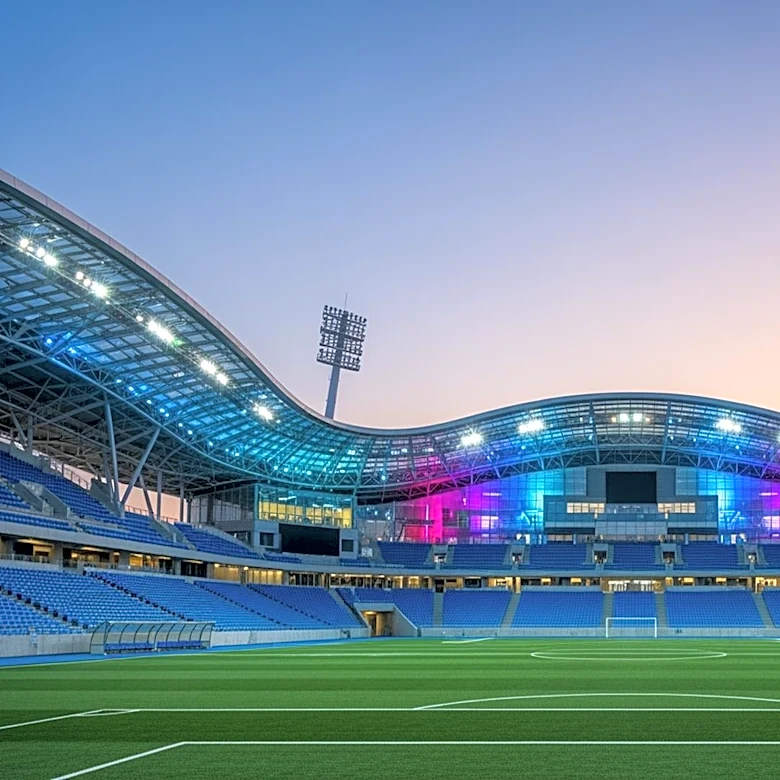
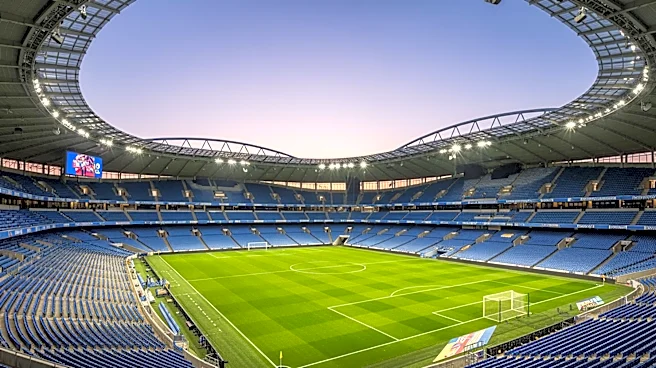

Estadio Nemesio Díez, located in Toluca, Mexico, is a storied football stadium with a rich history dating back to its opening in 1954. Known for its unique architecture and high altitude, the stadium has undergone several transformations and name changes throughout its existence. This article explores the historical evolution of this iconic venue, highlighting key milestones and its significance in Mexican football.
Early Beginnings and Initial Construction
The origins of Estadio Nemesio Díez
trace back to the early years of Deportivo Toluca F.C., which was founded in 1917. Initially, the team played on a dirt field with modest wooden stands. Over time, the club moved to various locations, including the "Presa de Gachupines" grounds and the "Tívoli" field. In 1953, the club's board purchased land to construct a dedicated stadium, marking the beginning of a new era for the team.
The stadium officially opened on August 8, 1954, with a match between Toluca and Dinamo Zagreb. Originally named Estadio Club Deportivo Toluca, it was later renamed Estadio Héctor Barraza in 1955. This marked the first of several name changes that the stadium would undergo, reflecting its evolving identity and significance.
Name Changes and Renovations
Throughout its history, the stadium has been known by various names, each representing a different chapter in its story. From 1959 to 1970, it was called Estadio Luis Gutiérrez Dosal, followed by Estadio Toluca 70 from 1970 to 1986. The name Estadio Toluca 70-86 was used from 1986 to 2000, during which time the stadium gained the popular nickname "La Bombonera" due to its distinctive shape.
In June 2000, following the death of Nemesio Díez Riega, the president and owner of Deportivo Toluca, the stadium was renamed Estadio Nemesio Díez. This change honored Díez's significant contributions to the club and solidified the stadium's place in Mexican football history.
Modernization and Current Status
In recent years, Estadio Nemesio Díez has undergone significant renovations to meet modern standards while preserving its historical charm. Between 2015 and 2017, the stadium was remodeled as part of Club Deportivo Toluca's centennial celebrations. The renovations included expanding the capacity to 30,000 spectators, adding technological enhancements, and improving the overall infrastructure.
The stadium's unique features, such as its high altitude and English-style proximity to the playing field, continue to make it a distinctive venue in North America. Today, Estadio Nemesio Díez stands as a testament to the rich history and enduring legacy of Deportivo Toluca F.C., hosting both men's and women's teams and serving as a venue for major international events.