





The Rueda wine region, located in the Community of Castile and León, is one of Spain's leading wine areas, renowned for its exceptional white wines primarily based on the Verdejo grape. Established as a Denominación de Origen Protegida (DOP) in 1980, Rueda has a rich history and unique geographical features that contribute to its wine-making success.
Historical Roots of Rueda
The history of wine production in Rueda dates back to the 11th century when King Alfonso VI offered
land titles to settlers in the recently reconquered area. This led to the establishment of monasteries with their own vineyards, marking the beginning of viticulture in the region. By the 18th century, the area dedicated to vineyards was larger than it is today, with the Verdejo grape variety being the sole focus.
However, the region faced a significant setback between 1890 and 1922 when the phylloxera louse devastated over two-thirds of the vines. The vineyards were replanted using louse-resistant New World rootstock, but the focus shifted to productivity rather than quality. The Verdejo variety nearly became extinct, but thanks to the efforts of local winegrower Ángel Rodríguez Vidal, it regained prominence.
Geographic and Climatic Features
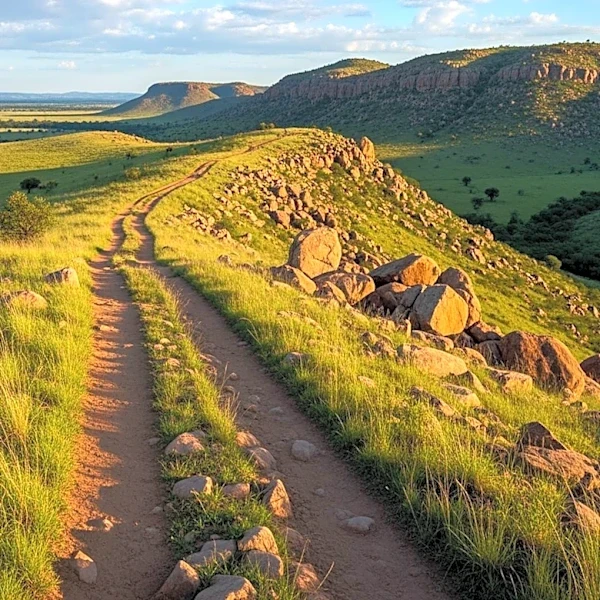
Rueda encompasses an area of 16,165 hectares centered around the town of Rueda in Valladolid, approximately 170 kilometers northwest of Madrid. The region is characterized by a flat high plain at an altitude of 600 to 780 meters above sea level, with the Duero River flowing through it. The continental climate features long hot summers and cold winters, with Atlantic maritime influences.
The climate poses challenges such as frost, freezing fog, high winds, and hailstones, but the risk of drought is minimal. The region receives an average rainfall of 400 millimeters per year, and the vines benefit from 2,700 hours of sunlight annually.
Wine Production and Varieties
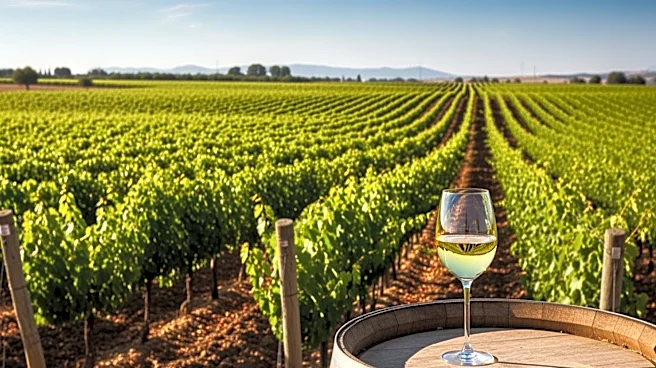
Rueda is known for producing white, rosé, and red wines under the DOP classification. The white wines, which are the region's hallmark, must contain at least 50% of the principal grape varieties, Verdejo and Sauvignon Blanc. The region also produces Vino de Pueblo, which indicates the village or town where the grapes are grown, and Gran Vino de Rueda, made from vineyards over 30 years old with low yields.
The soil near the Duero River is alluvial with high lime content, while the southern areas have brown sandy topsoil with gravel and clay subsoil. This composition ensures good drainage and rich iron content, ideal for cultivating high-quality grapes.