



Potpourri, a delightful blend of dried fragrant plant materials, is both an art and a science. Its creation involves careful selection of ingredients and techniques to achieve the desired scent and aesthetic. This article explores the methods and materials used in potpourri making, highlighting the balance between tradition and innovation.
Traditional Techniques
Historically, potpourri was made using a method that involved natural fermentation. In 17th-century France, fresh
herbs and flowers were gathered and left to become limp before being layered with coarse sea salt. This mixture was stirred occasionally, allowing it to ferment or mold over time. By fall, spices were added to enhance the fragrance, and scent-preserving fixatives were incorporated to maintain the aroma. This traditional approach relied on the natural aging process to develop complex scents, showcasing the ingenuity of early potpourri makers.
Modern Innovations
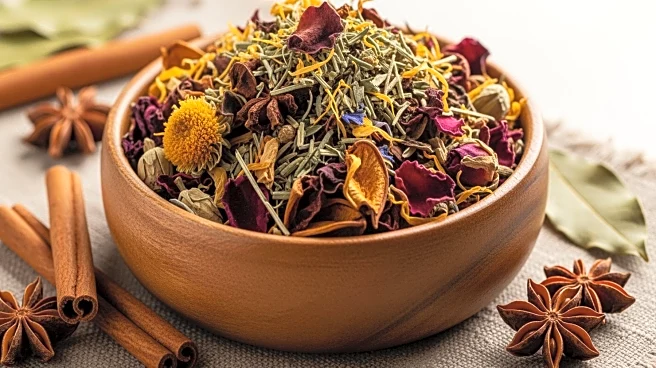
In contrast to traditional methods, modern potpourri often includes decoratively shaped dried plant materials, not necessarily from scented plants. Strong natural and synthetic perfumes are added, with the scent often bearing no relation to the plant material used. This shift allows for a broader range of fragrances and visual appeal, catering to diverse preferences. Additionally, items that do not originate from plants may be mixed in to give potpourri bulk and enhance its aesthetic qualities. The use of fixatives, such as orris root, ensures that the scent is absorbed for slow release, maintaining the potpourri's aromatic qualities over time.
Selecting Ingredients
The choice of ingredients is crucial in potpourri making. A 2015 study from the Royal Botanic Gardens, Kew identified 455 species used in potpourri from over 100 families, including algae, fungi, and lichens. While many plant materials are safe, some toxic ingredients have been found, such as fruits from the strychnine tree. Careful selection and preparation of ingredients are essential to ensure both safety and fragrance quality. Dried flowers, spices, and fixatives are chosen based on their scent profiles and longevity, allowing for a harmonious blend that delights the senses.
Potpourri making is a fascinating blend of art and science, where traditional techniques meet modern innovations. By understanding the methods and materials involved, enthusiasts can create potpourri that not only scents their spaces but also reflects their personal style and preferences.