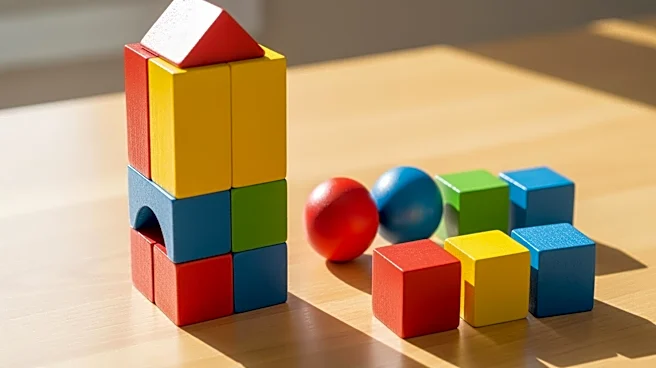







Play is a fundamental component of kindergarten education, serving as a primary method for teaching young children. This approach, rooted in the educational philosophy of Friedrich Fröbel, emphasizes the importance of play in fostering creativity, social skills, and cognitive development. In kindergartens around the world, play-based learning remains a cornerstone of early childhood education.
The Philosophy Behind Play-Based Learning
Friedrich Fröbel, the founder of the kindergarten concept,
believed that play was essential for children's development. He saw it as a natural way for children to learn about the world around them, develop social skills, and express their creativity. Fröbel's approach to education was revolutionary at the time, as it shifted the focus from rote learning to a more holistic and child-centered method.
In a play-based learning environment, children engage in activities that are both enjoyable and educational. These activities are designed to stimulate their imagination, encourage problem-solving, and promote social interaction. By participating in play, children learn to communicate, collaborate, and navigate social situations, all of which are crucial skills for their future education and personal development.
Implementing Play in Modern Kindergartens
Today, play-based learning is a key feature of kindergarten programs worldwide. Educators use a variety of play activities to teach fundamental concepts and skills. These activities can include games, arts and crafts, music, and storytelling, all of which are designed to be engaging and educational.
Incorporating play into the curriculum allows children to learn at their own pace and according to their interests. This approach recognizes that each child is unique and that learning should be tailored to their individual needs and abilities. By providing a supportive and stimulating environment, kindergartens help children develop a love for learning that can last a lifetime.
The Benefits of Play-Based Learning
Research has shown that play-based learning has numerous benefits for young children. It supports cognitive development by encouraging critical thinking and problem-solving skills. It also promotes social and emotional development by helping children build relationships and learn to manage their emotions.
Furthermore, play-based learning fosters creativity and imagination, allowing children to explore new ideas and concepts. This approach not only prepares children for the academic challenges of formal schooling but also helps them develop the skills they need to succeed in life.
In conclusion, play remains a vital component of kindergarten education, providing a foundation for lifelong learning and development. By embracing the principles of play-based learning, kindergartens continue to nurture the growth and potential of young children around the world.