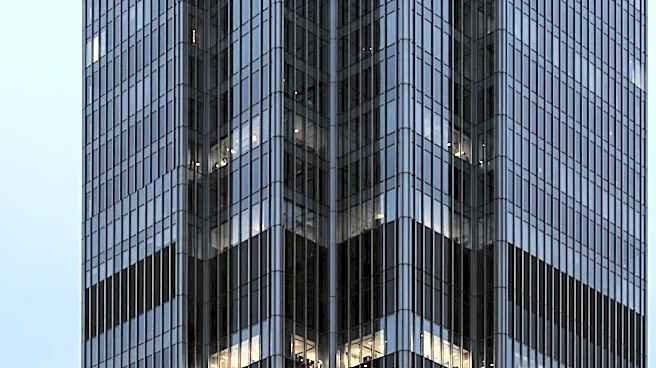






The Willis Tower, originally known as the Sears Tower, is a landmark in Chicago's skyline and a symbol of architectural achievement. Since its completion in 1973, the tower has undergone significant changes, evolving from a corporate headquarters to a major tourist attraction. This article explores the history and transformation of this iconic skyscraper.
The Early Years as Sears Tower
The story of the Willis Tower begins with Sears, Roebuck & Co., which was the largest retailer
in the world in the late 1960s. The company needed a new headquarters to consolidate its operations, leading to the decision to build a new skyscraper in Chicago's Loop. The site was acquired in 1970, and construction began shortly thereafter.
Designed by Skidmore, Owings & Merrill, the tower was completed in 1973 and became the world's tallest building, a title it held for nearly 25 years. The building's innovative design and engineering made it a marvel of its time. However, as Sears' business model evolved, the company eventually vacated the tower, leading to a change in ownership and purpose.
Transition to Willis Tower
In 2009, the building was renamed the Willis Tower after the London-based insurance broker Willis Group Holdings leased a portion of the building and acquired the naming rights. Despite the name change, many locals continue to refer to it as the Sears Tower, a testament to its enduring legacy.
The transition from a corporate headquarters to a multi-tenant office building marked a new chapter in the tower's history. Major tenants, including United Airlines and various law firms, now occupy the building, contributing to its status as a hub of business activity in Chicago.
The Skydeck: A Tourist Attraction
One of the most significant transformations of the Willis Tower is its development into a major tourist attraction. The Skydeck, located on the 103rd floor, opened in 1974 and offers breathtaking views of Chicago and beyond. It is the highest observation deck in the United States and attracts over 1.7 million visitors annually.
In 2009, the Skydeck underwent a major renovation, including the addition of glass balconies known as "The Ledge." These balconies extend four feet from the facade, allowing visitors to look straight down to the street below. This thrilling experience has made the Skydeck one of Chicago's most popular tourist destinations.
The Willis Tower's journey from a corporate headquarters to a beloved tourist attraction reflects its adaptability and enduring appeal. As it continues to evolve, the tower remains a symbol of Chicago's architectural heritage and a testament to the city's dynamic spirit.