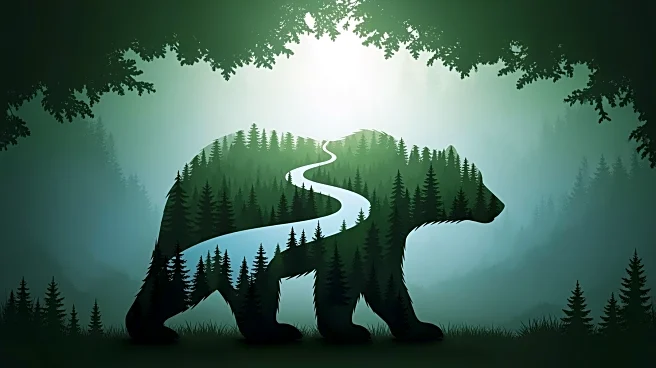

The Spirit Bear, or Kermode bear, is a subspecies of the American black bear that holds significant cultural and ecological importance in British Columbia, Canada. Known for its rare white coat, the Spirit Bear is a symbol
of the region and plays a vital role in the ecosystem. This article explores the cultural reverence for the Spirit Bear among indigenous communities and its ecological contributions to the environment.
Cultural Reverence and Symbolism
The Spirit Bear is deeply embedded in the oral traditions and cultural practices of the indigenous peoples of British Columbia. It is considered a sacred creature, often featured in stories and legends that emphasize its spiritual significance. The bear is also a symbol of Terrace, British Columbia, and serves as the official provincial mammal, underscoring its importance to the region's identity.
Indigenous communities have long revered the Spirit Bear, viewing it as a symbol of peace and harmony. The bear's unique white coat is seen as a gift from the creator, and its presence is believed to bring good fortune. This cultural reverence has led to strong advocacy for the bear's protection and conservation, ensuring that its habitat remains undisturbed by industrial activities.
Ecological Role and Conservation Efforts
Ecologically, the Spirit Bear plays a crucial role in maintaining the health of its habitat. As an omnivorous species, the Kermode bear contributes to the dispersal of seeds and the cycling of nutrients within the ecosystem. During the autumn salmon migrations, the bears become key predators, helping to regulate fish populations and distribute marine-derived nutrients throughout the forest.
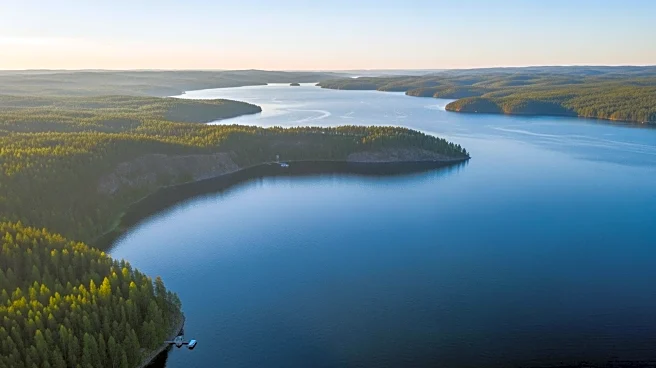
Conservation efforts have been instrumental in protecting the Spirit Bear and its habitat. The Great Bear Rainforest, where the Spirit Bear resides, is a critical area for conservation, with measures in place to prevent industrial encroachment. The rejection of the Enbridge Northern Gateway Pipelines project was a significant victory for conservationists, ensuring the preservation of this pristine environment.
Challenges and Future Prospects
Despite successful conservation efforts, the Spirit Bear faces ongoing challenges. Climate change and habitat loss continue to threaten the bear's environment, necessitating continued vigilance and advocacy. Indigenous groups, along with environmental organizations, play a vital role in monitoring the bear's population and advocating for sustainable practices.
The Spirit Bear Lodge, an ecolodge in British Columbia, provides educational opportunities and promotes eco-tourism, raising awareness about the importance of preserving the Spirit Bear's habitat. By fostering a deeper understanding of the bear's ecological and cultural significance, these efforts contribute to the long-term survival of this iconic species.
In summary, the Spirit Bear is a symbol of cultural heritage and ecological balance in British Columbia. Its protection is essential for maintaining the health of the region's ecosystems and preserving the rich cultural traditions of the indigenous peoples.