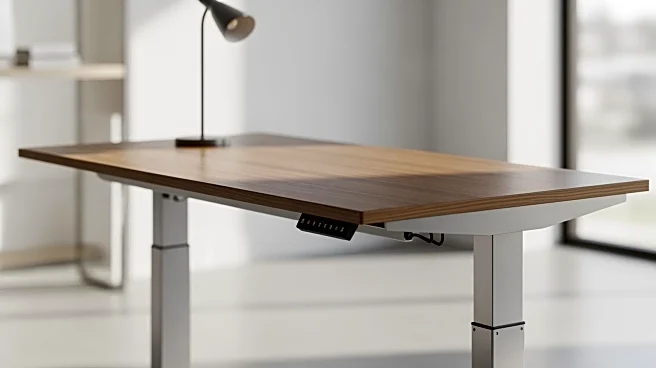

Standing desks have evolved significantly in design and functionality, offering a range of options to suit various needs. From fixed-height models to adjustable platforms, the diversity in standing desk designs
reflects the growing demand for ergonomic and versatile workspaces. This article provides a comprehensive guide to the different designs and variations of standing desks available today.
Fixed-Height vs. Adjustable Desks
Standing desks can be broadly categorized into fixed-height and adjustable models. Fixed-height desks are crafted to a specific height, suitable only for standing use. These desks are often custom-made to fit the height of the individual user, ensuring comfort and efficiency during use. Fixed-height desks are ideal for tasks that require prolonged standing, such as architectural drafting or certain variations of telephone desks.
Adjustable standing desks, on the other hand, offer greater flexibility. These desks can be adjusted to both sitting and standing positions, allowing users to switch between postures throughout the day. The adjustment mechanisms vary, with options including electric motors, hand cranks, and counterbalance systems. Adjustable desks are particularly popular in modern workplaces, where the emphasis is on promoting health and reducing sedentary time.
Innovative Designs and Features
The design of standing desks has seen numerous innovations, catering to the diverse needs of users. Some desks are constructed like teacher's lecterns, allowing them to be set on top of existing desks for standing use or removed for sitting. This versatility makes them suitable for dynamic work environments where space and functionality are key considerations.
Platforms that sit on top of regular seated desks are another popular option. These platforms can be fixed height or adjustable, providing a convenient way to transform a traditional desk into a standing workstation. For writing or drafting tasks, the angle or slant of the surface may be adjustable, similar to a drawing table or table à la tronchin. These features enhance the usability of standing desks, making them adaptable to various tasks and user preferences.
The Role of Ergonomics in Design
Ergonomics plays a crucial role in the design of standing desks, ensuring that they meet the needs of users while promoting health and comfort. The height of a standing desk should ideally fit the height of its individual user, allowing for natural posture and movement. Unlike seated desks, where the height can be adjusted by changing the chair height, standing desks require careful consideration of user dimensions.
The emphasis on ergonomics has led to the development of desks with adjustable parts, allowing users to customize their workspaces according to their needs. As the demand for ergonomic solutions continues to grow, standing desks are likely to see further innovations, enhancing their functionality and appeal in modern workplaces.