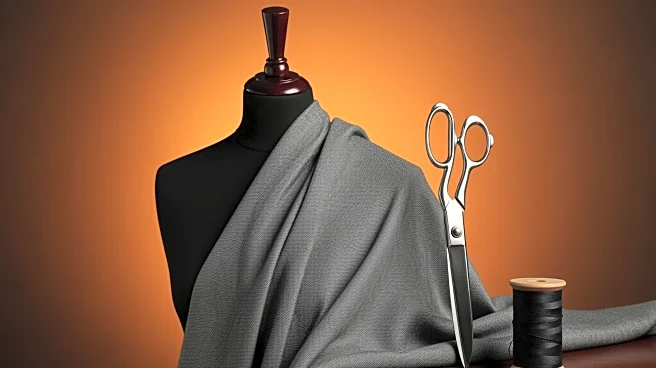


Dressmaking has a rich history that dates back centuries, evolving alongside fashion trends and societal changes. Originally known as mantua-makers, dressmakers have adapted their craft to meet the demands of different eras. This article explores the historical evolution of dressmaking, highlighting the changes in terminology and practice that have shaped the profession.
From Mantua-Makers to Modistes
In the 18th century, dressmakers were commonly referred to as mantua-makers, named
after the mantua, a popular style of dress at the time. These skilled artisans were responsible for creating elaborate garments for women, often incorporating intricate details such as ruffles and frills. As fashion evolved, so did the terminology used to describe dressmakers.
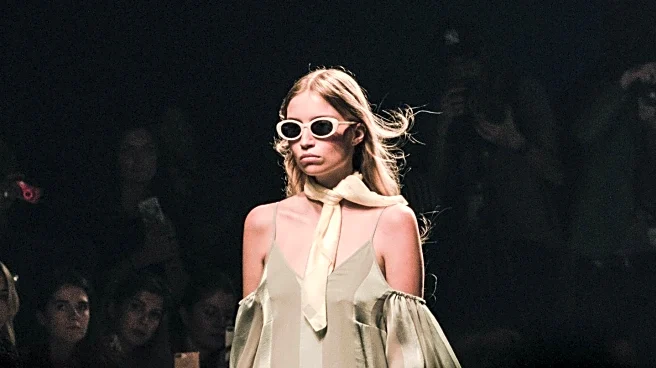
By the 19th century, the term modiste became popular, reflecting the influence of Parisian fashion. Modistes were known for their ability to create fashionable clothing and accessories, often inspired by the latest trends from Paris. This shift in terminology highlights the growing importance of fashion capitals in shaping global style.
The Rise of the Seamstress
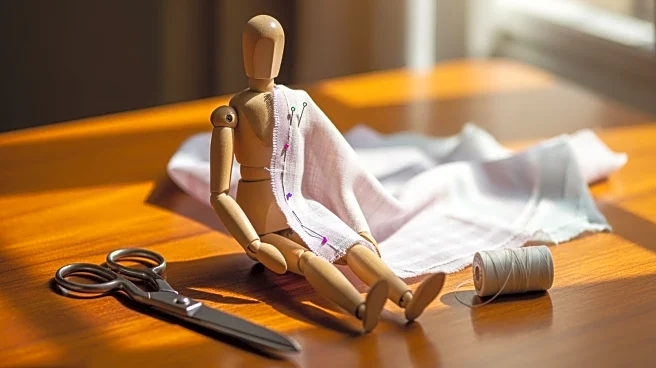
As the fashion industry continued to develop, the term seamstress emerged to describe women who sewed for a living. Seamstresses were often employed in workshops or worked independently, creating garments by hand. Before the Industrial Revolution, all sewing was done by hand, making the role of the seamstress essential in the production of clothing.
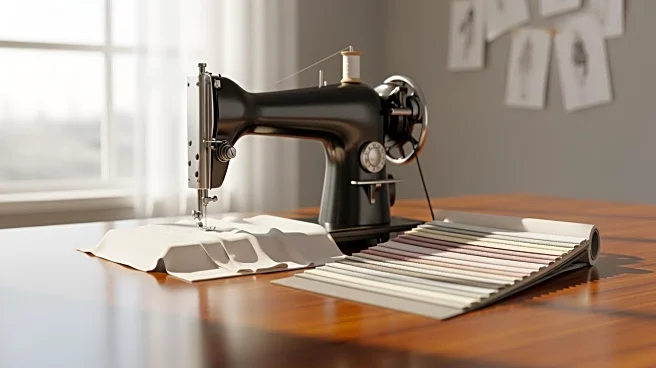
The introduction of sewing machines in the 19th century revolutionized the industry, allowing for faster and more efficient garment production. Despite this technological advancement, the skill and precision of the seamstress remained crucial, as machines could not replicate the artistry of hand-sewn details.
Modern Dressmaking
Today, the term dressmaker is used interchangeably with seamstress, though the roles have evolved to encompass a wider range of skills. Modern dressmakers are not only skilled in sewing but also in design, patternmaking, and alterations. They work with clients to create custom garments that reflect personal style and fit perfectly.
The rise of casual wear in the mid-20th century led to a decline in demand for traditional dressmaking. However, the craft has experienced a resurgence in recent years, as more people seek unique, handmade clothing. Dressmakers continue to play a vital role in the fashion industry, offering bespoke services that cater to individual tastes.
The evolution of dressmaking reflects broader changes in fashion and society. From mantua-makers to modern seamstresses, dressmakers have adapted their craft to meet the needs of their clients, ensuring that the art of dressmaking remains a cherished tradition.