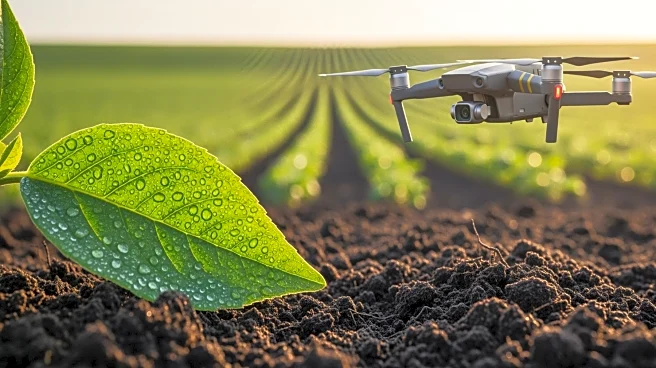




Precision agriculture is revolutionizing the way we approach farming by emphasizing sustainability and resource efficiency. This innovative strategy leverages technology to optimize the use of inputs like water and fertilizers, reducing environmental impact while enhancing productivity. By focusing on sustainability, precision agriculture offers a promising path forward for the agricultural industry.
Optimizing Resource Use
One of the key benefits of precision agriculture
is its ability to optimize resource use. By gathering and analyzing data on individual plant and animal needs, farmers can apply inputs more precisely, minimizing waste and maximizing efficiency. Variable-rate technology (VRT) plays a crucial role in this process, allowing for the targeted application of seeds, fertilizers, and pesticides.
This approach not only reduces costs but also lessens the negative environmental impacts associated with traditional farming methods. For example, precision agriculture can limit the leaching of nitrogen into waterways, a common issue with conventional fertilizer application. By tailoring practices to the specific needs of each crop, farmers can achieve higher yields with fewer resources.
Reducing Environmental Impact
Precision agriculture contributes to environmental sustainability by reducing the footprint of farming activities. The use of GPS and satellite technology enables farmers to monitor and manage their fields with greater accuracy, leading to more efficient use of water and chemicals. This precision helps prevent over-application and runoff, which can harm ecosystems and contaminate water supplies.
Additionally, precision agriculture supports the adoption of sustainable practices such as no-till farming, which preserves soil health and reduces erosion. By maintaining the integrity of the soil, farmers can enhance its ability to retain moisture and nutrients, further reducing the need for external inputs. These practices align with the broader goals of sustainable agriculture, ensuring long-term productivity and environmental health.
Challenges and Opportunities
While precision agriculture offers numerous benefits, its implementation is not without challenges. The initial investment in technology and equipment can be a barrier for some farmers, particularly those in developing regions. Additionally, the need for technical expertise and data analysis skills can limit adoption.
Despite these challenges, the opportunities presented by precision agriculture are significant. As technology continues to advance, the cost of equipment is likely to decrease, making it more accessible to a wider range of farmers. Furthermore, the growing emphasis on sustainability and environmental protection provides a strong incentive for adopting precision agriculture practices.
By embracing precision agriculture, the farming industry can move towards a more sustainable future, balancing the need for increased food production with the imperative to protect our planet's resources.