



The Battle of Raymond, fought on May 12, 1863, near Raymond, Mississippi, was a significant engagement during the Vicksburg campaign of the American Civil War. This battle showcased the tactical decisions made by both Union and Confederate commanders, highlighting the complexities and challenges of Civil War battlefield dynamics. The encounter between Union forces led by Major General James B. McPherson and Confederate troops under Brigadier General John
Gregg provides a fascinating case study in military strategy and execution.
Initial Engagement and Tactical Misjudgments
The battle began when Gregg's Confederate brigade encountered the leading elements of McPherson's Union corps. Neither commander was fully aware of the strength of their opponent, leading to tactical misjudgments. Gregg, believing he faced a smaller Union force, acted aggressively, while McPherson, overestimating Confederate strength, responded cautiously. This initial phase of the battle was relatively evenly matched, with both sides engaging in intense skirmishing.
As the battle progressed, McPherson brought up reinforcements, including Brigadier General John D. Stevenson's brigade and Brigadier General Marcellus M. Crocker's division. The weight of superior Union numbers began to crack the Confederate line, forcing Gregg to disengage. Despite the opportunity to pursue the retreating Confederates, McPherson chose not to, a decision that has been criticized by historians for missing a chance to inflict further damage on the enemy.
The Role of Artillery and Terrain
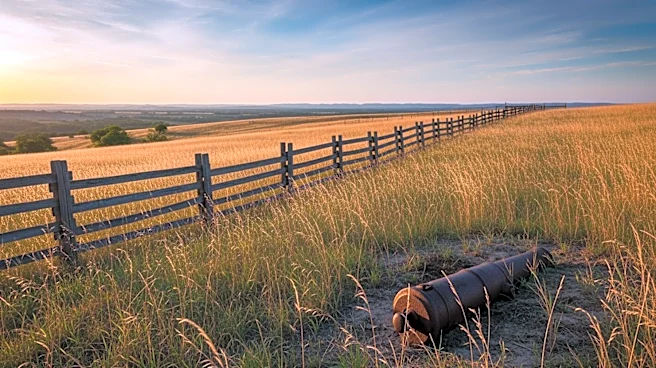
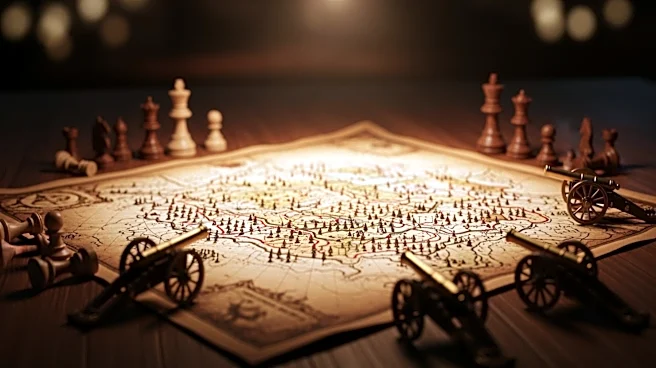
Artillery played a crucial role in the Battle of Raymond, with both sides deploying cannons to support their infantry. The Union forces had a significant advantage in artillery, with twelve cannons compared to the Confederates' three. This artillery superiority allowed the Union to exert pressure on the Confederate line, contributing to the eventual breakthrough.
The terrain also influenced the battle's dynamics. The area around Fourteenmile Creek, where much of the fighting took place, was characterized by heavy undergrowth and smoke from the artillery, which limited visibility and complicated command and control. These conditions contributed to the chaotic nature of the battle, with units on both sides often fighting independently and with less direction from higher-ranking officers.
Lessons Learned and Historical Critiques
The Battle of Raymond offers several lessons in military tactics and command. McPherson's handling of the battle has been criticized for being overly cautious and lacking a coherent plan. His piecemeal deployment of troops and ineffective use of artillery have been noted as areas for improvement. Conversely, Gregg's aggressive approach, while ultimately unsuccessful, demonstrated his ability to inspire his men and adapt to battlefield conditions.
Historians have debated the decisions made by both commanders, with some attributing the Union victory primarily to numerical advantage rather than tactical brilliance. The battle serves as a reminder of the importance of accurate intelligence and the ability to adapt to changing circumstances on the battlefield.
Overall, the Battle of Raymond provides valuable insights into the complexities of Civil War tactics and the challenges faced by commanders in the heat of battle. It remains a significant event in the Vicksburg campaign, influencing subsequent strategic decisions and contributing to the Union's ultimate success.