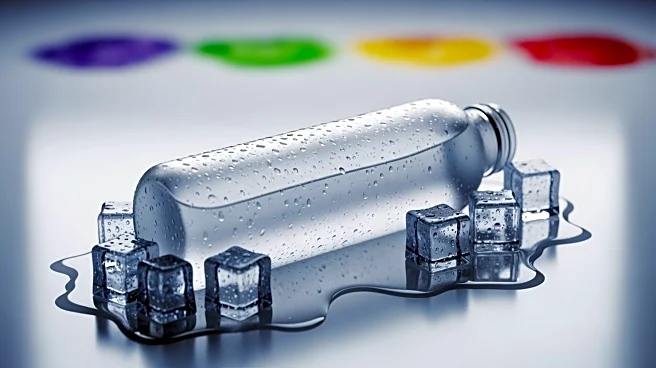




Bottled water has become a staple in the American beverage market, evolving from a rare luxury to a ubiquitous necessity. The United States is now the largest consumer of bottled water globally, a testament to its widespread acceptance and demand. This article delves into the historical growth of bottled water in the U.S., examining how it transitioned from a niche product to a mainstream commodity.
Early Beginnings
In the mid-1970s, bottled water was a rarity in the United
States, with Americans consuming only about one gallon per person annually. This was a time when tap water was the norm, and bottled water was considered an unnecessary expense. However, by the early 2000s, the landscape had changed dramatically. Bottled water consumption had surged to approximately 26 gallons per person per year, reflecting a significant shift in consumer preferences.
The growth in bottled water consumption can be attributed to several factors. Concerns about the safety and taste of municipal tap water played a role, as did the convenience offered by bottled water. Marketing strategies that emphasized purity and health benefits also contributed to its rising popularity. As bottled water became more accessible and affordable, it began to replace other beverages, such as carbonated soft drinks, in the American diet.
Market Expansion
By 2008, bottled water sales in the U.S. had reached 8.6 billion gallons, accounting for nearly 29% of the liquid refreshment beverage market. This growth continued into the next decade, with sales surpassing 9 billion gallons by 2011. The bottled water market was expanding rapidly, driven by an increasing number of brands and product variations.
The proliferation of bottled water brands in the U.S. is noteworthy. From just 16 brands in 1970, the number had grown to 195 by 2012. This expansion reflects the diverse consumer base and the varying preferences for different types of bottled water, including mineral, spring, and purified water. The market's growth was further fueled by innovative marketing strategies targeting specific demographics, such as athletes, children, and even pets.
Regulatory Landscape
Despite its popularity, bottled water in the U.S. is subject to stringent regulations. The Food and Drug Administration (FDA) oversees bottled water standards, ensuring that it meets specific identity and quality criteria. However, a significant portion of bottled water is produced within state lines, limiting the FDA's regulatory reach.
The regulatory framework for bottled water includes standards for labeling, quality, and manufacturing practices. These regulations are designed to protect consumers and ensure the safety and purity of bottled water. As the market continues to grow, regulatory oversight remains a critical component in maintaining consumer trust and confidence in bottled water products.