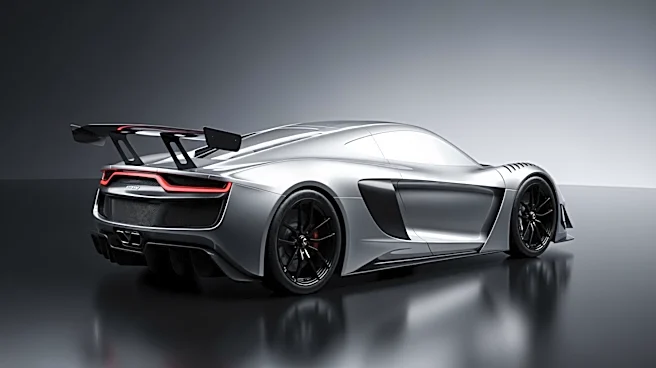

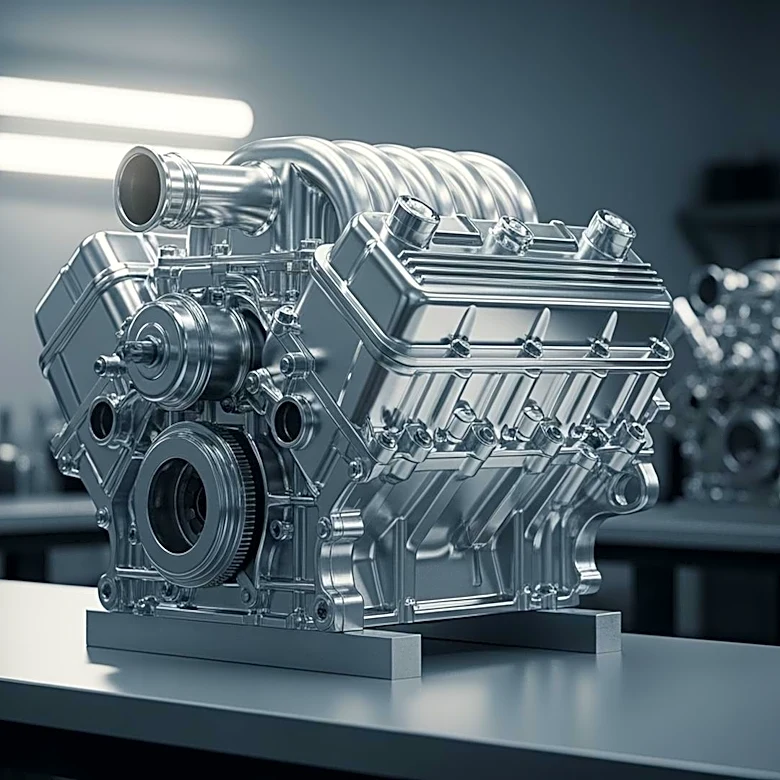




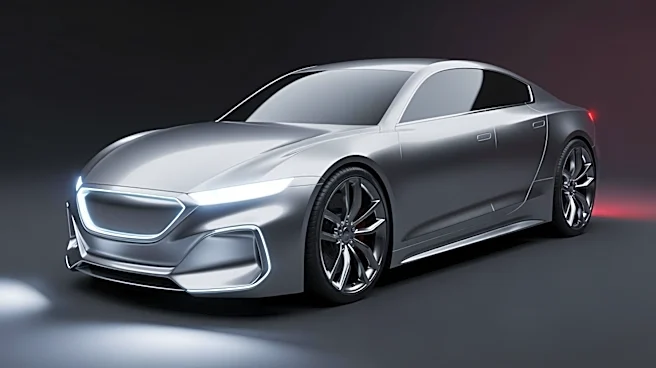
Rear-wheel drive (RWD) is a popular vehicle layout where the engine powers the rear wheels. This configuration offers several advantages, particularly in terms of traction and acceleration. However, it also presents certain challenges, especially in handling and design. This article explores the benefits and drawbacks of rear-wheel drive, providing a comprehensive understanding of its impact on vehicle performance.
Advantages of Rear-Wheel Drive
One of the primary benefits of rear-wheel
drive is its ability to provide better traction during acceleration. By placing the engine's power on the rear wheels, vehicles can achieve more effective propulsion, especially in high-performance scenarios. This layout is favored in sports cars and luxury vehicles, where acceleration and speed are critical.
Rear-wheel drive also contributes to a more balanced weight distribution. Manufacturers like Alfa Romeo and Porsche have utilized configurations where the engine is at the front and the transmission at the rear, known as a transaxle. This setup enhances weight distribution, improving handling and stability. Additionally, rear-wheel drive allows for a more straightforward drivetrain design, reducing mechanical complexity.
Challenges in Handling and Design
Despite its advantages, rear-wheel drive can pose challenges, particularly in handling. Vehicles with rear-wheel drive are prone to oversteer, where the rear end of the car can swing out during sharp turns or sudden maneuvers. This characteristic requires drivers to be more skilled in managing the vehicle's dynamics, especially in adverse weather conditions.
The design of rear-wheel drive vehicles often necessitates a larger center tunnel to accommodate the driveshaft, which can impact interior space. Models like the Mazda RX-8 and Porsche Panamera have addressed this by forgoing a center rear seat, dividing the rear seats with a tunnel. This design consideration highlights the trade-offs involved in optimizing rear-wheel drive layouts.
Modern Adaptations and Solutions
Modern technology has helped mitigate some of the challenges associated with rear-wheel drive. Electronic stability control systems have been developed to counteract oversteer, providing drivers with more control and safety. These advancements have made rear-wheel drive more accessible to a broader range of vehicles, including electric models.
Electric vehicles have embraced rear-wheel drive layouts, benefiting from the improved traction and acceleration. Models like the Tesla Model 3 and Kia EV6 utilize this configuration, showcasing its adaptability in modern automotive design. As technology continues to evolve, rear-wheel drive remains a viable option for manufacturers seeking to balance performance and practicality.