



Mayurasana, or the Peacock pose, is more than just a physical exercise in yoga; it carries deep symbolic and spiritual significance. This hand-balancing asana, first described in the 10th century, embodies qualities of grace, balance, and purification. In this article, we explore the symbolic meanings and spiritual aspects of Mayurasana, highlighting its importance in the practice of yoga.
Symbolic Meanings
The name Mayurasana is derived from the Sanskrit words 'mayura,'
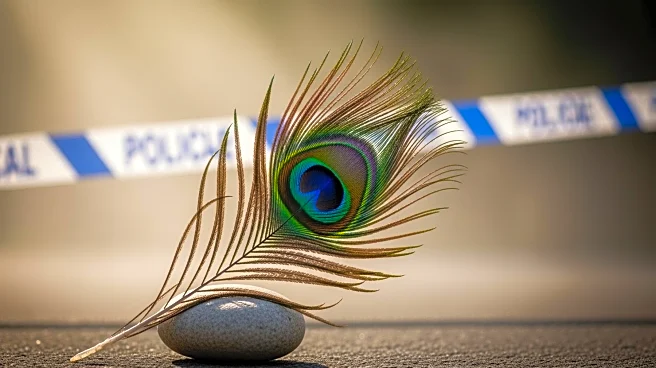
meaning peacock, and 'asana,' meaning posture. The peacock is a symbol of beauty, grace, and immortality in Indian culture, often associated with deities and spiritual enlightenment. This symbolism is reflected in the pose, which requires the practitioner to balance their body horizontally over their hands, mimicking the elegance and poise of a peacock.
In addition to its aesthetic symbolism, Mayurasana is believed to have purifying qualities. The Vāsiṣṭha Saṃhitā, an ancient text, states that the pose destroys all sins, emphasizing its role in spiritual cleansing and renewal. This belief highlights the transformative power of Mayurasana, both physically and spiritually, as practitioners strive to achieve balance and inner peace.
Spiritual Aspects
Mayurasana is not only a physical challenge but also a spiritual discipline. The pose requires concentration, focus, and a calm mind, encouraging practitioners to cultivate mindfulness and awareness. This mental aspect of the pose aligns with the broader goals of yoga, which seek to unite the body, mind, and spirit.
The spiritual significance of Mayurasana is further illustrated by its depiction in Indian art and culture. A mural at the Mahamandir temple in Jodhpur, India, dating back to around 1810, shows a Nath yogi performing Mayurasana, symbolizing the pose's revered status in spiritual practices. Such depictions underscore the pose's role in the yogic journey towards enlightenment and self-realization.
Integration in Modern Practice
In modern yoga, Mayurasana continues to be practiced for its symbolic and spiritual benefits. It is often included in sequences that focus on balance and core strength, challenging practitioners to push their physical and mental limits. The pose's spiritual aspects are emphasized in classes that incorporate meditation and breathwork, allowing practitioners to deepen their connection to the pose's symbolic meanings.
Variations of Mayurasana, such as Hamsasana and Padma Mayurasana, offer additional opportunities for spiritual exploration. These variations encourage practitioners to experiment with different aspects of balance and focus, further enriching their practice and understanding of Mayurasana.
In summary, Mayurasana's symbolism and spiritual significance make it a powerful and meaningful component of yoga practice. Its enduring appeal lies in its ability to inspire practitioners to seek balance, grace, and inner peace, both on and off the mat.