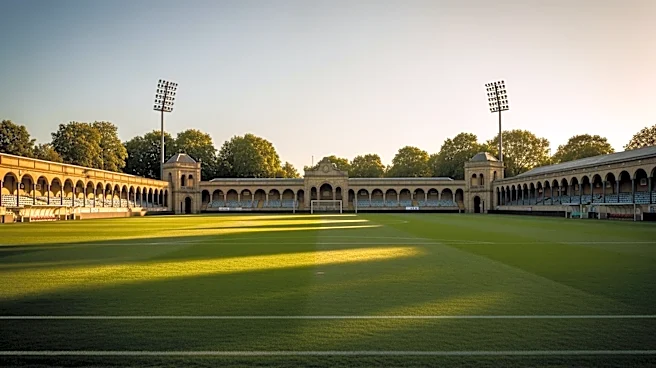









Estadio Pocitos, a multi-use stadium located in Montevideo, Uruguay, has a rich history that spans from its opening in 1921 to its eventual demolition in the 1940s. Owned by C.A. Peñarol, the stadium was primarily used for football matches and played a significant role in the 1930 FIFA World Cup. This article traces the timeline of Estadio Pocitos, highlighting key events and changes that marked its journey through time.
The Early Years
Estadio Pocitos was officially
inaugurated on November 6, 1921, with a friendly match between Peñarol and Argentine River Plate, which ended in a 1-1 draw. The stadium was located on Coronel Alegre, Charrúa, Silvestre Blanco, and Avenida Soca streets. Initially, the plan was to open the venue with a match between Peñarol and Nacional, but due to tense relations between the two clubs, River Plate was invited instead.
During its early years, Estadio Pocitos served as the home venue for Peñarol, hosting numerous matches and contributing to the local football culture. Its elliptical stands, inspired by ancient Greek theaters, set it apart architecturally and influenced the design of future stadiums, including the Estadio Centenario.
The 1930 FIFA World Cup
The 1930 FIFA World Cup marked a significant milestone in the history of Estadio Pocitos. As one of the venues for the inaugural tournament, it hosted two group matches, including the historic game where France's Lucien Laurent scored the first goal in World Cup history against Mexico. The stadium's involvement in the World Cup highlighted its importance on the international stage and cemented its place in football history.
The matches held at Estadio Pocitos during the World Cup showcased the stadium's capacity to host international events and contributed to the global recognition of Montevideo as a center for football. This period was a defining moment for the stadium, elevating its status and legacy.
Demolition and Legacy
By the 1930s, Peñarol began playing at the newly constructed Estadio Centenario, leading to the eventual demolition of Estadio Pocitos. Major road development projects in Montevideo further contributed to its demise, with streets laid out on the playing field in 1937 and the ticket offices demolished in 1946.
Despite its physical absence, the legacy of Estadio Pocitos lives on. Efforts to commemorate its historical significance, such as the contest "In Search of the Lost Arch," have helped preserve its memory. The stadium's role in the early days of football and its contribution to the sport's history remain a testament to its enduring impact.