






Moroccan cuisine is renowned for its bold flavors and aromatic spices, which create a unique and unforgettable dining experience. The ingredients used in Moroccan cooking are a reflection of the country's diverse cultural influences and abundant natural resources. From fragrant spices to fresh produce, each component plays a crucial role in crafting the rich tapestry of Moroccan flavors.
Spices and Flavorings
Spices are the heart and soul of Moroccan cuisine, infusing dishes
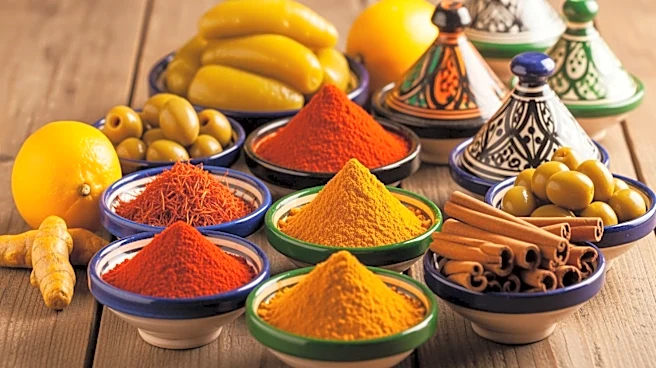
with warmth and complexity. Some of the most commonly used spices include saffron, cumin, cinnamon, ginger, and paprika. These spices are often combined to create the iconic Moroccan spice blend known as ras el hanout, which can contain up to 27 different spices.
Saffron, sourced from Talaouine, is prized for its vibrant color and subtle flavor. Cumin and cinnamon add depth and warmth to both savory and sweet dishes, while ginger and paprika provide a hint of heat. These spices are not only used for their flavor but also for their aromatic qualities, which enhance the overall dining experience.
Fresh Produce and Meats
Morocco's climate and geography allow for a wide variety of fresh produce to be grown, including Mediterranean fruits and vegetables. Commonly used vegetables include tomatoes, eggplants, zucchini, and bell peppers, which are often featured in salads and tagines. Fruits like oranges, lemons, and figs are also staples in Moroccan cooking, adding a touch of sweetness and acidity to dishes.
Meat is a central component of many Moroccan meals, with lamb, chicken, and beef being the most popular choices. Lamb is often cooked in tagines with a variety of vegetables and spices, while chicken is frequently roasted or used in stews. Seafood is also abundant along Morocco's coastline, with sardines, mackerel, and shrimp being popular choices.
Unique Ingredients
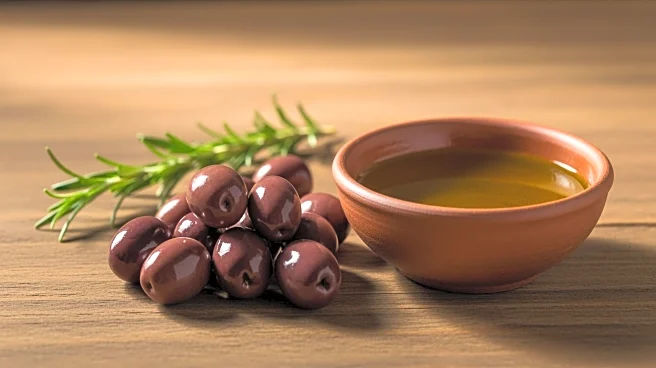
In addition to spices and fresh produce, Moroccan cuisine features several unique ingredients that contribute to its distinct flavor profile. Preserved lemons, for example, are a key ingredient in many dishes, adding a tangy and slightly fermented taste. Argan oil, produced from the nuts of the argan tree, is used for its nutty flavor and health benefits.
Another distinctive ingredient is smen, a type of preserved butter that adds richness and depth to dishes. Dried fruits like dates, apricots, and raisins are often used to add sweetness and texture, particularly in tagines and couscous dishes.
Together, these ingredients create the vibrant and diverse flavors that define Moroccan cuisine. Each component is carefully selected and combined to create dishes that are both satisfying and memorable, offering a true taste of Morocco's culinary heritage.